
Keyper news & insights
.jpg)
How to reduce property vacancy rate in the UAE
A vacant unit in Dubai or Abu Dhabi costs more than missed rent. Marketing, cleaning, minor repairs and Ejari renewal can add up to 5–15% of a year's rent. Every extra week without a tenant chips away at your net yield. Landlords who treat vacancy as a fixable problem, not bad luck, see the difference in their bank balance.
Most empty periods share the same root causes. Pricing set too high, listings that undersell the property and payment terms that shut out good tenants top the list. None of these problems are unsolvable. Keyper's property management team fixes all three, and that is exactly what this guide covers.
.jpg)
Benefits of RNPM for landlords and investors in Dubai
A landlord in Dubai still wants one thing above all else: the full year's rent, paid on time. Rent Now, Pay Monthly (RNPM) makes that possible even when a tenant cannot write one large cheque. Keyper pays the landlord the entire annual rent upfront, in the cheque structure they prefer. Keyper then collects it back from the tenant in 12 monthly instalments.
This is not a discount or a delay. It is a faster, wider path to a signed lease. Dubai Land Department reforms made RNPM legal for Ejari-registered contracts. For landlords with more than one unit, Keyper adds property management expertise on top, covering screening, rent tracking and maintenance.
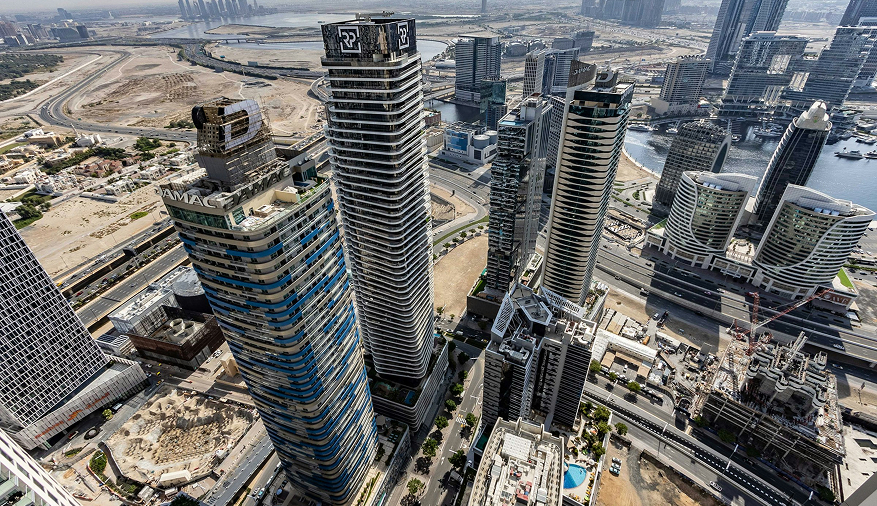
What Living in Business Bay Looks Like
Business Bay isone of Dubai's busiest addresses, sitting directly next to Downtown Dubai. Glass towers line both banks of the Dubai Water Canal, mixing homes, offices, hotels and shops in one dense strip. Residents can walk to work, grab coffee by the water and be inside a mall within minutes. It's a district built for people who want the city close, not far away.
Living here means trading big gardens for balconies and canal walks. It suits professionals working nearby, couples and anyone who enjoys a fast-paced routine. Families can make it work too, though school runs usually mean a short drive. This guide covers daily life, prices, transport and what it costs to manage a home here.
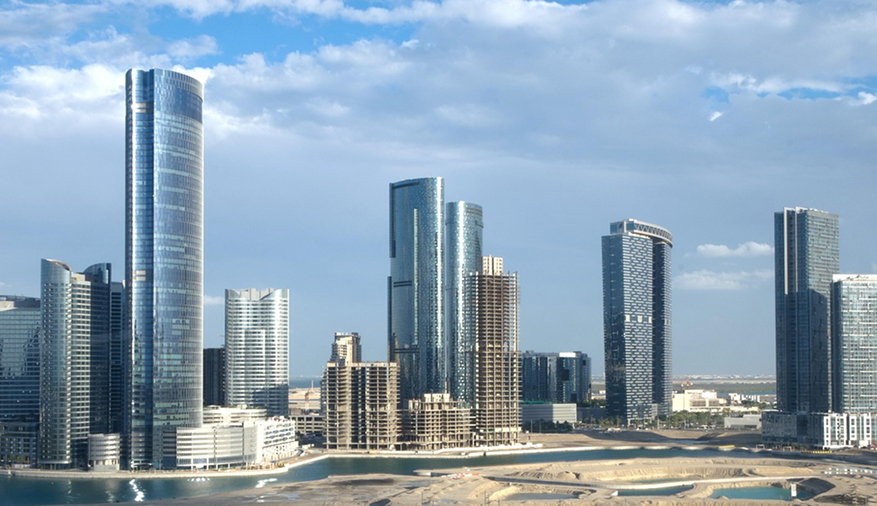
What Living in Al Reem Island Looks Like
Al Reem Island sits about 600 metres off the coast of Abu Dhabi Island, joined to the mainland by bridges. It has grown into a self-contained community of high-rise towers, canals and promenades. Around 60,000 people already call it home, and the number keeps climbing. For tenants, that means sea views and short commutes close to the city.
For landlords, it means steady demand from renters who want island living without leaving the capital. This guide covers rental costs, which districts suit which lifestyle, and how schools and daily errands stack up. It also walks through the paperwork every tenant and landlord needs, from Tawtheeq registration to rent payments. By the end, you will know if Al Reem Island fits your routine.

What is FlexiRent and how do you apply for it in Dubai?
FlexiRent is a Dubai Land Department initiative that launched on 23 June 2026. It lets tenants at participating companies split their annual rent into smaller instalments. Payments can be made monthly, quarterly or every six months, instead of one or two large cheques a year.
The total rent stays exactly the same, with no markup for paying more often. Bounced-cheque fees are usually waived under the scheme. FlexiRent is not a loan, and it does not change tenancy law. Keyper has offered a similar approach for years through its Rent Now, Pay Monthly service.

What Living in Saadiyat Island Looks Like
Saadiyat Island sits ten to twenty minutes from downtown Abu Dhabi, just over the Sheikh Khalifa Bridge. The island mixes white-sand beaches, world-class museums, and quiet residential streets. You can walk along the beach in the morning and visit the Louvre Abu Dhabi by afternoon. Families like the low traffic, round-the-clock security, and strong school options nearby.
This guide covers daily life, the main districts and what rent or buying costs. It also explains what tenants need before signing a lease and how landlords keep a property running smoothly. Freehold ownership is open to every nationality, drawing in both residents and investors.

What's the maximum rent amount you can split with rent now, pay monthly?
There is no single cap for every rent now, pay monthly provider in the UAE. Each platform sets its own limit, based on its own risk model and funding. The maximum rent you can split into monthly instalments is AED 30,000 to AED 400,000 annually. That ceiling covers most homes in Dubai, from a studio in International City to a large villa in Arabian Ranches.
Your own approved amount may sit well below that AED 400,000 ceiling. It depends on your income, your card and a short risk check. This is where Keyper's experience as a full property management company matters. The same team that screens tenants and collects rent for landlords also builds these checks.

Managing a multi-unit rental portfolio in Dubai: a landlord's guide
Owning one flat in Dubai is simple. Owning five or ten across different buildings is a different job. Separate renewal dates, tenants and maintenance calls compete for your attention every week.
Landlords who treat a portfolio like a business protect their income. Those who don't often lose money without noticing.
This guide covers the legal rules for every unit. It also covers the habits that keep occupancy high. The final section weighs self-managing against handing the work to a specialist such as Keyper. Each section is built around a decision you will need to make this year.

Does Rent Now, Pay Monthly (RNPM) Affect Your Credit Score in the UAE?
Splitting your rent into monthly payments feels like a relief. But many tenants pause before signing up, worried it might hurt their credit file. The short answer is simple: applying for Rent Now, Pay Monthly does not affect your Al Etihad Credit Bureau (AECB) score at all.
What does matter is what happens after you start paying. Once your tenancy is active, your monthly instalments are reported to the AECB, just like a loan or a credit card bill would be. This guide walks through exactly how that works, for both tenants who pay monthly and landlords who work with a property manager to keep their income steady.

Best credit cards to pay rent and earn rewards in the UAE
Most landlords in the UAE still want rent in a few large cheques, not on a credit card. That used to mean tenants missed out on card rewards for their biggest yearly bill. Rent Now, Pay Monthly platforms changed that. They pay the landlord upfront in the cheque format the landlord wants, then let the tenant repay monthly by card.
Keyper is the platform behind most of these deals in Dubai, and it does more than split a cheque. It runs a full property management service too, backed by software that tracks payments, renewals and maintenance in one place. That combination is why banks keep choosing Keyper for joint promotions, and why this guide focuses on how to use it well.

Managing Your Dubai Property From Overseas
You do not need to live in Dubai to own and run a rental property here. Thousands of overseas landlords collect rent, renew Ejari and handle maintenance from London, Lagos or Sydney every month. Dubai's legal system, built around the Dubai Land Department and RERA, was designed with absentee owners in mind. A licensed property manager and the right paperwork turn remote ownership into something straightforward, not stressful.
Two things make remote management work. The first is a properly issued power of attorney. The second is a manager you trust with your keys and bank details. Keyper handles both, pairing a RERA-aware team with software that keeps you updated in real time.

Should you sell or continue renting out your Dubai property?
There is no single right answer here. It depends on your property, your goals and how much rent it collects after costs. Dubai's market in 2026 is cooling from its recent highs. Prices have levelled off, and a large batch of new flats is arriving.
Rents have softened in some areas too. That raises one plain question for many owners: keep earning rent, or sell now? The honest answer sits in your own numbers, not the headlines.
A property with strong occupancy can still outperform a sale. So can one with a manager who fills vacancies fast. One that sits empty for months, while you pay service charges, often decides for you. That gap between a well-run rental and a neglected one is where a property management company like Keyper changes the outcome.

Flat-fee vs percentage-based property management fees: which is better for landlords in Dubai?
Dubai landlords typically choose between two property management pricing models. One charges a percentage of your rent, and the other charges a flat amount—the model you choose can change your annual return more than most landlords expect.
A percentage-based manager takes 5–8% of your gross rent every year, rising as your rent rises. A flat-fee manager charges a fixed amount, usually AED 3,950–5,000 a year, regardless of rent level. Keyper takes a third approach, charging AED 11 per rented day with nothing charged during vacancy. This guide compares all three, with real AED figures and why speed of tenanting matters most.

Top affordable areas to rent in Abu Dhabi
Abu Dhabi has plenty of budget-friendly neighbourhoods, whether you want a villa, a townhouse or a simple apartment. Rents in areas like Al Mushrif start under AED 38,000 a year. Family villas in Khalifa City, by contrast, begin at AED 140,000. The right area depends on your budget, your commute and how much space you actually need.
This guide walks through ten of Abu Dhabi's most affordable communities, grouped by property type. Each section covers what the area offers, who it suits best and roughly what you can expect to pay. By the end, you should have a clear shortlist for your next move.
.jpg)
Best ROI areas for investment in Abu Dhabi
Abu Dhabi's rental market keeps rewarding investors who pick the right neighbourhood. Gross yields in some communities are around 8%, a return that's rare in most global cities. That keeps attracting first-time buyers and seasoned investors alike.
Location still decides most of the outcome. A 2-bedroom flat on Al Reem Island can return a different yield than the same size unit in Khalifa City. Villa buyers face their own separate set of numbers too. This guide walks through the best ROI areas for investment in Abu Dhabi, split by apartments and villas.
Rental yields in Abu Dhabi depend on the mix of location, amenities and demand from tenants. Waterfront towers and family-friendly suburbs tend to perform best, but for different reasons. The sections below break down where apartment buyers and villa buyers are seeing the strongest returns right now.