


Key takeaways
- Emaar, DAMAC and Binghatti regularly top Dubai's sales-volume rankings by units sold.
- Rental yields in Dubai typically sit between 6% and 9%, depending heavily on the area and developer.
- Sobha Realty is widely praised for build quality, while some budget developers get mixed reviews on delivery consistency.
- Branded residences and ESG-focused building are now standard across most major new launches.
- Post-handover service, not just the building itself, determines how well an investment performs over time.
Why Dubai attracts world-class developers
Dubai charges no property tax and no capital gains tax on residential sales. That alone draws developers and investors from around the world. Rental yields typically range from six to nine percent, which makes the maths even more attractive.
Its location between Europe, Asia and Africa keeps demand steady from buyers who cannot easily reach New York or London. The Dubai 2040 masterplan also pushes developers toward greener, better-connected communities. Areas with strong rental income keep pulling in new projects, as this breakdown of Dubai's highest-yield areas shows.
Top developers in Dubai
A smaller group of developers consistently leads the market on sales, design and delivery. Here is how they compare at a glance, followed by a closer look at each one.
| Developer | Known For | Best For |
|---|---|---|
| Emaar Properties | Downtown Dubai, Dubai Mall, Burj Khalifa | Balanced luxury and reliability |
| DAMAC Properties | Branded, glamorous towers | Design-forward luxury buyers |
| Binghatti | Bold architecture, high sales volume | Investors wanting design impact |
| Nakheel | Palm Jumeirah, waterfront masterplans | Large-scale coastal living |
| Dubai Properties | Family-focused, connected neighbourhoods | Long-term end-users |
| Meraas | Walkable, lifestyle-led destinations | Urban living with retail access |
| Sobha Realty | Build quality, green communities | Buyers who prioritise finish |
| Majid Al Futtaim | Family-first, retail-integrated towns | Long-term family living |
| Azizi Developments | Affordable, fast-delivered units | Budget-conscious buyers |
| Aldar Properties | Abu Dhabi roots, expanding in Dubai | Integrated smart communities |
| Ellington Properties | Boutique, design-first interiors | Design-focused end-users |
| Tiger Group | Long history, mid-income towers | Dependable rental yield |
| Select Group | Premium waterfront developments | High-end, mixed-use living |
| Danube Properties | Affordable luxury, fast handovers | Mid-income investors |
| Samana Developers | Rapid growth in recent sales volume | Budget-conscious investors |
| Union Properties | Veteran developer, integrated spaces | Established, connected areas |
| MAG Property Development | Wellness-forward, mixed price points | Broad market segments |
| Omniyat | Ultra-luxury, design-led towers | High-net-worth buyers |
| Deyaar Development | Timely handover, publicly traded | Reliable mid-market delivery |
| Wasl Properties | Large-scale, government-backed portfolio | Broad, mixed-use communities |
Emaar Properties
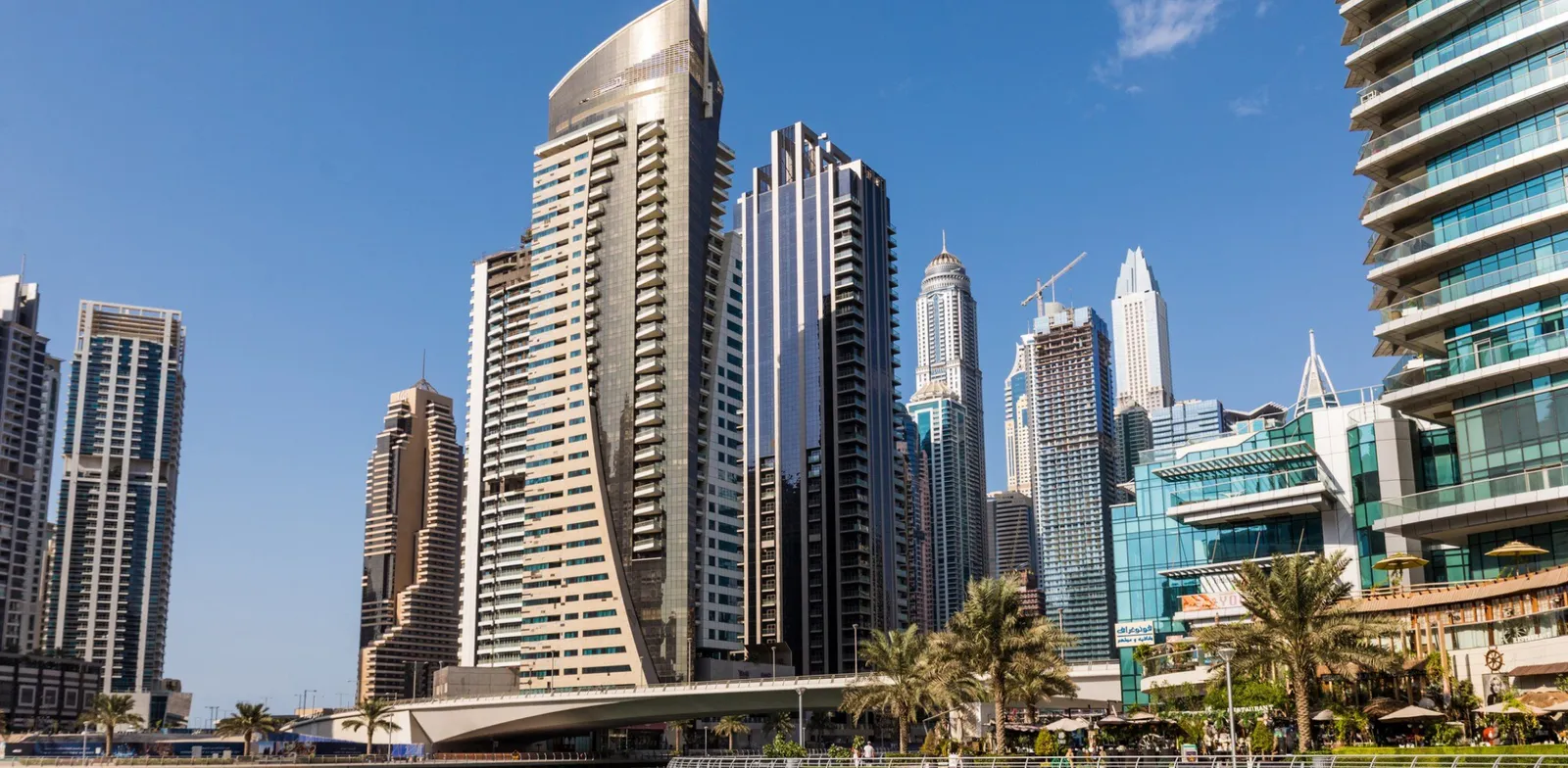
Emaar is the name most people picture when they think of Dubai real estate. It built Downtown Dubai, home to the Burj Khalifa and Dubai Mall. Its communities mix residential towers with shopping, parks and public spaces, as seen across areas like Dubai Marina.
Emaar covers both mid-range and high-end price points, so it appeals to a wide mix of buyers. Consistent delivery and strong resale demand keep it near the top of most rankings.
DAMAC Properties
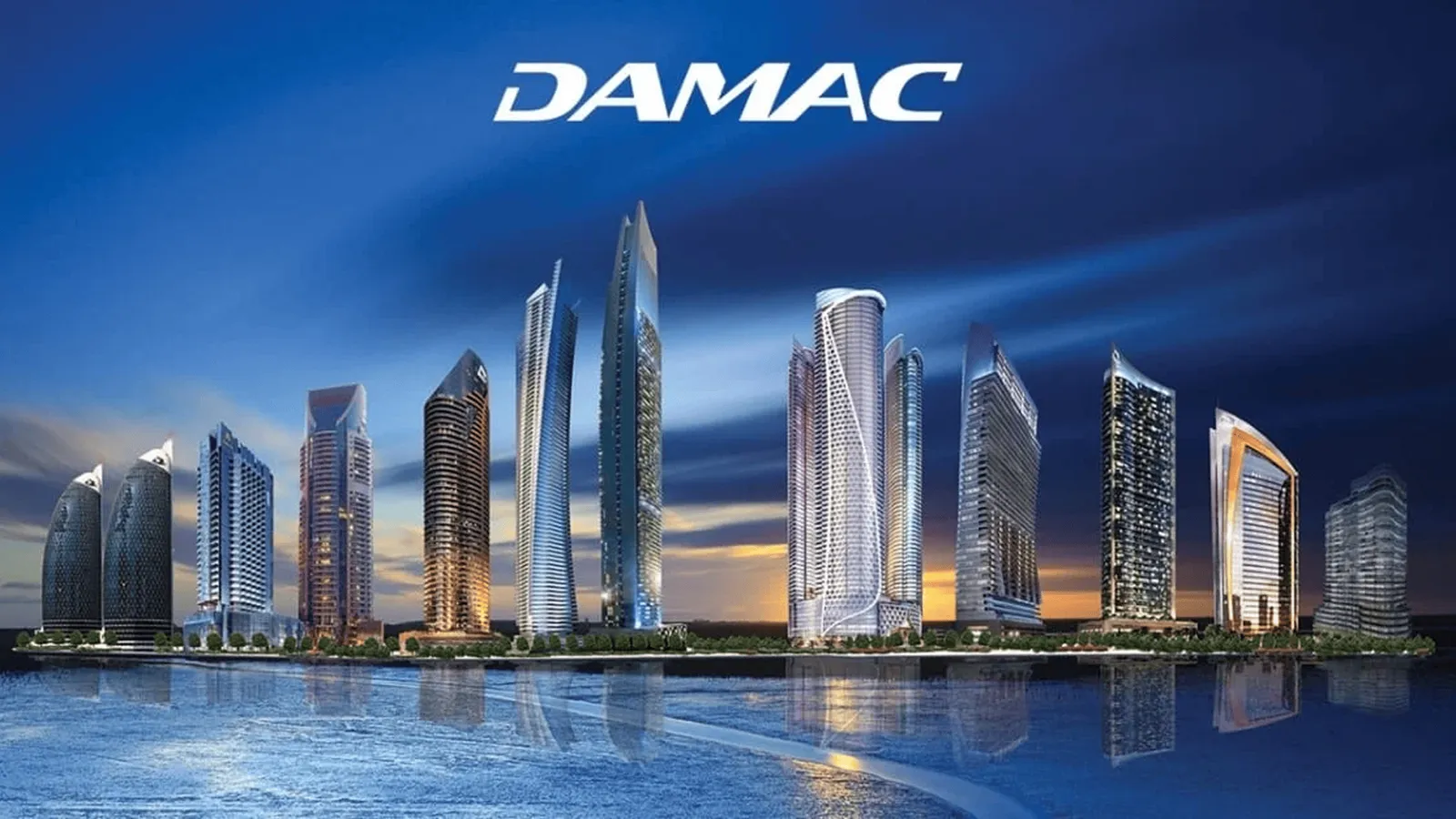
DAMAC built its name on bold towers and fashion-brand collaborations. Its developments often carry names tied to global design houses, adding a layer of prestige. Key projects include DAMAC Hills, DAMAC Bay by Cavalli and DAMAC Towers by Paramount.
The developer keeps expanding into waterfront and golf-front communities across Business Bay and Dubai Harbour. Buyers drawn to branded, high-impact living tend to favour DAMAC over quieter, more traditional builders.
Binghatti
Binghatti has grown fast since it launched in 2008. It now sits among Dubai's highest-volume developers, often ranking alongside Emaar and DAMAC on units sold. Its buildings stand out for bold, geometric facades rather than blending into the skyline.
The Burj Binghatti Jacob & Co tower, built with the jewellery brand, shows this design-first approach at its most extreme. Its Mercedes-Benz Places collaboration in Business Bay applies the same branded-residence model to the automotive world. Investors drawn to design-forward projects with strong resale visibility often shortlist Binghatti alongside the more established names.
Nakheel
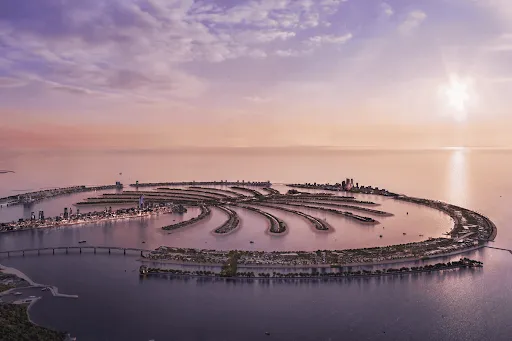
Nakheel reshaped Dubai's coastline more than any other developer. It built Palm Jumeirah, The World Islands and International City, three of the city's most recognisable projects. It also developed Jumeirah Village Circle, covered in more depth in this JVC neighbourhood guide.
Nakheel now focuses on integrated living, pairing waterfront communities with retail, leisure and transit links. Few developers in Dubai can match its experience delivering large-scale, master-planned projects.
Dubai Properties
.png)
Dubai Properties, part of Dubai Holding, focuses on family-friendly, well-connected neighbourhoods. Its projects include Jumeirah Beach Residence, Business Bay, Mudon and Villanova. These areas tend to prioritise walkability and green space over flashy branding.
As the city grows outward, Dubai Properties is expanding into newer zones like Dubailand. Its flexible pricing and steady delivery make it a solid pick for both end-users and investors.
Meraas
.png)
Meraas blends lifestyle, architecture and entertainment into walkable destinations. Its standout projects include City Walk, Bluewaters Island, La Mer and Port de La Mer. Each combines residential space with retail, dining and leisure right on the doorstep.
The developer continues to expand into mixed-use and waterfront projects built around wellness and community. Buyers who want urban energy alongside their home often lean toward Meraas.
Sobha Realty
.png)
Sobha Realty is known for meticulous construction quality and high-end materials. Originally established in India, the developer has become a benchmark for build standards in Dubai. Its projects include Sobha Hartland, Sobha One and the upcoming Sobha Siniya Island.
Sobha consistently earns praise for on-time delivery, which supports stronger resale value over time. Its focus on ESG-aligned building and green landscaping sets it apart from many volume-driven competitors.
Majid Al Futtaim
Majid Al Futtaim takes a different approach, building master-planned communities around long-term livability. Tilal Al Ghaf is its flagship example, placing shops, parks and schools within walking distance of every home. The focus stays on family life and daily convenience rather than fast sales cycles.
Retail integration runs through most of its projects, drawing on the group's shopping mall heritage. Families researching Dubai's best neighbourhoods often find Majid Al Futtaim communities near the top of the list.
Azizi Developments
.png)
Azizi builds modern communities that balance affordability, comfort and design efficiency. Many of its projects deliver ahead of schedule, which appeals to investors chasing quicker returns. Notable developments include Azizi Riviera, Azizi Venice and the upcoming Burj Azizi.
Azizi's large-scale approach keeps prices accessible without cutting too many corners on design. Reviews on build consistency vary between projects, so it helps to check a specific building before committing.
Aldar Properties
.png)
Aldar is a major Abu Dhabi developer that is expanding fast into Dubai. It builds smart, integrated communities that combine residential, commercial and recreational space. Its Dubai footprint includes projects like Haven, The Wild and Athlon.
Aldar's strategy leans on sustainability and strong infrastructure planning. Its track record on timelines makes it a dependable name for long-term value.
Ellington Properties
.png)
Ellington takes a boutique, design-first approach to development. Its focus on modern layouts and detailed interiors appeals to buyers who want something more curated than mass-market towers. Popular projects include Belgravia, DT1, Wilton Park Residences and Ellington Beach House.
The developer continues expanding into emerging neighbourhoods across the UAE. Its strong customer experience and design consistency have built a loyal following among design-focused buyers.
Tiger Group
.png)
Tiger Group has operated in the UAE since 1976, making it one of the longest-standing developers in the market. It built its reputation on high-rise towers and master-planned communities that prioritise affordability and fast delivery. Notable projects include Nobles Tower, Guzel Towers and Tiger Sky Tower.
Tiger Group appeals especially to mid-income investors chasing dependable rental yields. Build quality and delivery consistency vary somewhat between projects, so a closer look at each building pays off.
Select Group
.png)
Select Group has built a premium, global reputation since launching in 2002. It focuses on mixed-use projects and upscale waterfront residences, many of them near Dubai Marina. Standout developments include Six Senses Residences Dubai Marina, Peninsula and Studio One.
The developer is now expanding into Europe and the UK while continuing to deliver waterfront luxury at home. Its consistent build standards keep it near the top of most premium rankings.
Danube Properties
.png)
Danube Properties specialises in affordable luxury for mid-income buyers. Its projects, including Gemz, Viewz, Elitz and Fashionz, often come packed with 40 or more built-in amenities. Gyms, pools and social lounges are standard rather than optional extras.
Danube's fast construction cycles and strong brand loyalty support consistent sales volume. Its next phase of growth includes new launches in Abu Dhabi and Ras Al Khaimah.
Samana Developers
Samana Developers has climbed Dubai's sales charts quickly over the past two years. It uses a similar formula to Danube, pairing amenity-heavy units with accessible price points. Many of its buildings include private pools attached to individual units, a feature once reserved for villas.
The developer's rapid growth has put it alongside more established names in recent volume rankings. Investors watching for the next high-velocity Dubai developer often mention Samana first.
Union Properties
.png)
Union Properties PJSC has shaped key parts of Dubai since 1987, including Motor City and Uptown Mirdiff. Its developments combine urban convenience with in-house property and facilities management. Notable projects include The Index, Dubai Motor City and OIA Residence.
The company is now reinvesting in older areas like Motor City while launching newer, ESG-forward projects. Its long history gives it a steady, if less flashy, reputation in the market.
MAG Property Development
.png)
MAG Property Development spans a wide range, from affordable homes to ultra-luxury branded residences. Its portfolio includes MAG 218, MAG City, Keturah Reserve and The Ritz-Carlton Residences. The Ritz-Carlton partnership shows how hospitality branding is entering the residential market.
MAG's future direction leans toward smart city projects and wellness-integrated living. Its ability to serve very different market segments sets it apart from more narrowly focused developers.
Omniyat
.png)
Omniyat builds design-led, ultra-luxury residences in prime waterfront and city locations. Its projects often involve collaborations with well-known architects and fashion designers. The Opus, One at Palm Jumeirah, Orla and Vela all reflect this bespoke approach.
Omniyat continues to grow its footprint through branded residences and ESG-forward building techniques. Buyers with a high-net-worth budget and an eye for design tend to gravitate here.
Deyaar Development
.png)
Deyaar Development PJSC is a publicly traded company known for consistent, timely handovers. Founded in 2002, it has built residential, hospitality and commercial properties across the city. Leading projects include Midtown, Mar Casa and Regalia.
In 2025, Deyaar set out plans to launch projects worth over AED 8 billion. Its focus on smart technology and scalable design makes it a reliable, if quieter, name in the market.
Wasl Properties
.png)
Wasl Properties operates under the Dubai Real Estate Corporation and manages over 47,000 residential and commercial units. Its scale makes it one of the largest developers active in the city. Recognised projects include Wasl 1, Wasl Gate and Tiara United Towers.
Wasl's pipeline continues to grow around sustainability and smart infrastructure. Its broad market appeal and government backing give it a stable, long-term position in Dubai's skyline.
Delivery record, handovers and rental returns
A striking tower means little if the handover slips by two years. Sobha Realty consistently earns praise for construction quality and on-time delivery. This track record supports stronger resale value. Emaar and Aldar also hold strong records on timelines.
Budget-focused developers tell a more mixed story. Azizi, Tiger Group and Danube have delivered thousands of affordable units. Reviews on consistency vary from project to project, so check a building's own history, not just the developer's name.
Actual rental yields swing widely by area and developer. Figures run from around 5% in established luxury pockets to over 9% in newer, high-supply areas. This guide on raising your rental yield in Dubai breaks down what drives that gap.
Sustainability and branded residences are now standard
Almost every major developer now markets some environmental commitment, from solar-ready buildings to green certification tied to Dubai 2040. Sobha Realty, Aldar and Wasl have leaned hardest into sustainable materials and smart infrastructure.
Branded residences have also grown fast, pairing developers with hotel groups, car brands or fashion houses to justify premium pricing. DAMAC, Binghatti and Omniyat lead this trend. MAG's Ritz-Carlton Residences shows the same idea through hospitality branding.
How to choose the right developer for you
Start with your goal. Investors chasing rental yield should weigh the delivery record and area demand more than brand name. A proper property valuation helps confirm the numbers before signing.
End-users planning to live in the unit should focus on build quality and daily convenience instead. Budget narrows the list fast either way. Ultra-luxury names like Omniyat and DAMAC sit at one end. Danube, Azizi and Samana sit at the other, serving buyers who want value without losing modern amenities.
Checking a developer's last two or three completed projects tells you more than any brochure. Once the purchase closes, reliable property management keeps the building running and the rent arriving on time.
FAQs
Which developer has the best build quality in Dubai?
Sobha Realty is widely regarded as one of the strongest performers in terms of construction quality and finish. Projects like Sobha Hartland consistently earn praise for using higher-grade materials than many competitors use.
Which developers sell the most units in Dubai?
Emaar, DAMAC and Binghatti regularly top Dubai's sales-volume rankings each quarter. Samana Developers has also climbed quickly in recent years, driven by fast-selling, amenity-heavy launches.
What rental yield can I expect from a Dubai property?
Yields typically range between 6% and 9%, though this depends heavily on the area, developer and unit type. Newer, high-supply communities often outperform older, more established pockets on paper yield.
Every developer on this list brings something different to Dubai's skyline, from record-breaking towers to quiet family communities. The right choice depends on your budget, your goals and how much delivery risk you can accept. Once you've picked a developer and a building, the real work begins. Steady post-handover care makes the difference over the years that follow.
Ready to ditch the stress and simplify your lease management?
Let Keyper take care of the details—so you can focus on what matters most.



.jpg)
.jpg)