

TL;DR Key Takeaways
- A studio apartment on Palm Jumeirah rents from around AED 90,000 per year. A 1-bedroom starts at AED 150,000, and sea-view units can reach AED 240,000+.
- Frond villa rentals start at AED 400,000 per year for Garden Homes. Signature Villas facing the outer sea can reach AED 1.5M annually.
- There is no Dubai Metro connection to the island. Most residents drive or use the Palm Monorail to connect to the Jumeirah Lakes Towers Metro station.
- Rent increases on Palm Jumeirah are governed by RERA and follow the Smart Rental Index in Dubai — no landlord can raise rent arbitrarily.
- Service charges are among the highest in Dubai, typically AED 20–35 per sq ft per year, and should be factored into your total housing cost.
Why Live in Palm Jumeirah?
The honest answer is lifestyle. Palm Jumeirah gives you private beach access, waterfront views, resort-grade amenities and a level of security and privacy that most Dubai communities can't match.
The fronds especially feel worlds apart from the mainland. Quiet streets, minimal traffic and a neighbourhood feel — despite the prestigious address.
It's not the most practical choice if you commute daily into DIFC or Media City, but for residents who work nearby, work from home or simply prioritise quality of life, it's hard to argue with.
The Pros and Cons of Living in Palm Jumeirah
Perks of living in Palm Jumeirah
- Private beach access: Most frond villa residents have direct beach access, and trunk apartment residents can reach the beach within a short walk. This isn't common across Dubai, and it's one of the biggest draws.
- Resort-quality amenities: Pools, gyms, beach clubs (RIVA, WHITE Beach, Beach by FIVE) and waterfront dining are built into the fabric of the community.
- Strong security: The island has controlled access points, 24/7 building security and a generally very safe environment — families with children are comfortable here.
- Self-contained community: Nakheel Mall, Golden Mile Galleria and a Waitrose cover most daily needs. Clinics, pharmacies and salons are within reach without leaving the island.
- High investment demand: Gross rental yields sit around 5–6% for apartments, and short-term rental demand on the crescent and trunk is consistently strong.
Downsides of living in Palm Jumeirah
- No Metro access: This is the most practical limitation. The Palm Monorail connects to the Jumeirah Lakes Towers Metro stop, but it adds significant travel time. Most residents need a car.
- Peak-hour traffic: The single entry and exit point at the trunk means congestion during morning rush hours (roughly 8–9:30 am). It eases quickly, but it's worth knowing before you commit.
- High cost of living: Rents, DEWA bills, service charges and even groceries skew above the Dubai average. If you're on a tighter budget, affordable neighbourhoods in Dubai will give you more value per dirham.
- Tourist footfall: The crescent and areas near Atlantis and Nakheel Mall see heavy visitor traffic on weekends. Frond residents barely notice it, but trunk residents might.
Is living in Palm Jumeirah worth it?
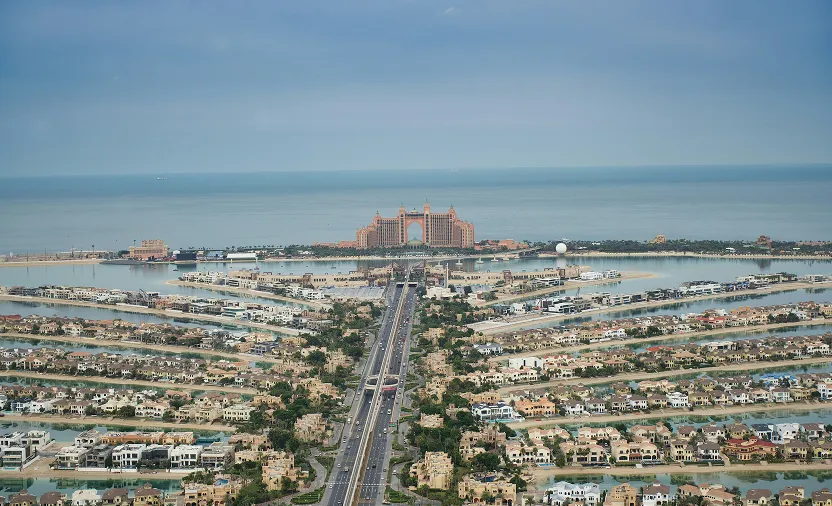
It depends on what you're optimising for. If beach access, privacy, luxury amenities and a prestigious address matter to you, Palm Jumeirah delivers on all of them. If you need fast Metro access and want to keep housing costs lean, it's worth comparing it against Dubai Marina or DIFC, which offer walkability and transit links that the Palm doesn't.
What Are the Things to Do in Palm Jumeirah?
Walk the boardwalk and private beaches
The front boardwalks and community beaches are some of the best in Dubai. Early mornings are popular with joggers and cyclists. The calm waters between the fronds are ideal for paddleboarding and kayaking, and you don't need to book anything — it's right outside your door.
Visit Atlantis and Aquaventure
Atlantis The Palm is one of Dubai's biggest entertainment destinations, and residents get to live minutes away from it. Aquaventure Waterpark, The Lost Chambers Aquarium and a range of Michelin-starred restaurants at Atlantis The Royal are all on the doorstep.
Dine at world-class restaurants
Palm Jumeirah has some of Dubai's most talked-about restaurants. A few residents' favourites:
- Nobu at Atlantis The Palm
- Hakkasan at Atlantis
- The Maine Beach House
- Carna by Dario Cecchini at SLS Dubai
Beach clubs and leisure
The Palm's beach clubs have a permanent local following, not just tourists. RIVA Beach Club, WHITE Beach at Atlantis and 1OAK attract residents throughout the week, not just on weekends.
Nakheel Mall and Golden Mile
For everyday shopping, Nakheel Mall covers retail, dining, a cinema and a Carrefour. Golden Mile Galleria is smaller but convenient for quick errands. Both are on the trunk.
Residential Options in Palm Jumeirah
Trunk apartments
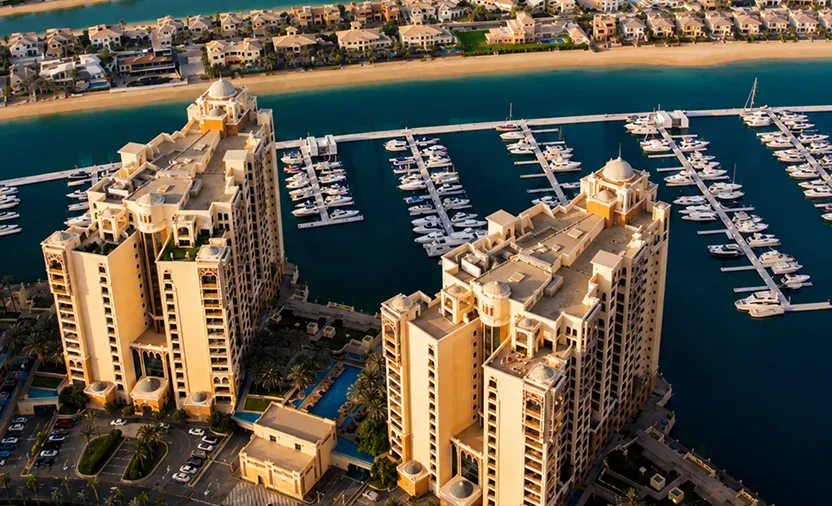
The trunk is where most apartment living happens on the Palm. Projects like Shoreline Apartments, Al Hamri, Tiara Residences and Marina Residences are well-established buildings with shared pools, gyms and direct community beach access.
Units with a direct Burj Al Arab or sea view sit at the higher end. Most trunk buildings are furnished or semi-furnished, and short-term rentals are common, which affects availability for long-term tenants.
Frond villas
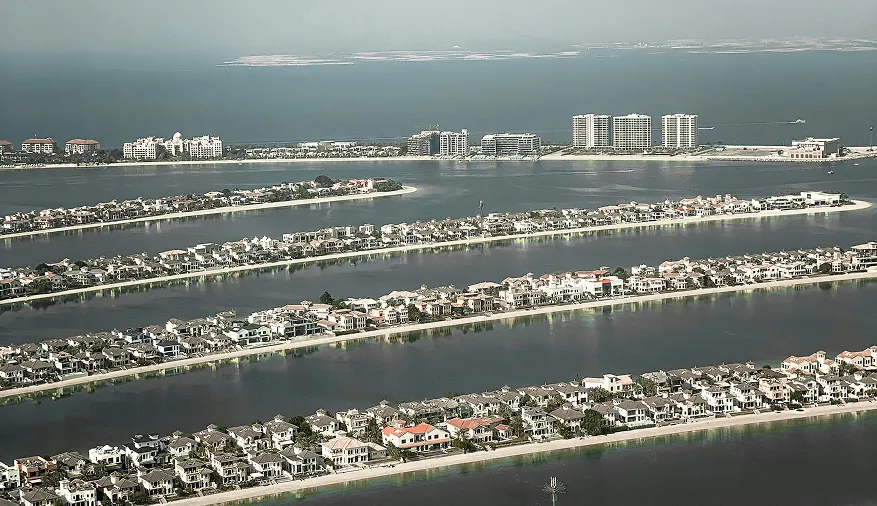
The fronds are where Palm Jumeirah's villa communities sit. Garden Homes are the three- and four-bedroom villas lining the inner fronds, with private gardens and beach access. Signature Villas are larger, face the outer sea and are among the most sought-after rental properties in Dubai.
Understanding the difference between renting a villa versus an apartment matters here — maintenance responsibilities and outdoor upkeep — all sit differently.
Crescent residences
The crescent is the outer ring of the Palm and home to Atlantis The Royal Residences, One Palm and several hotel-branded residences. These are the most exclusive — and most expensive — units on the island.
Palm Jumeirah and Its Surrounding Areas
Dubai Marina
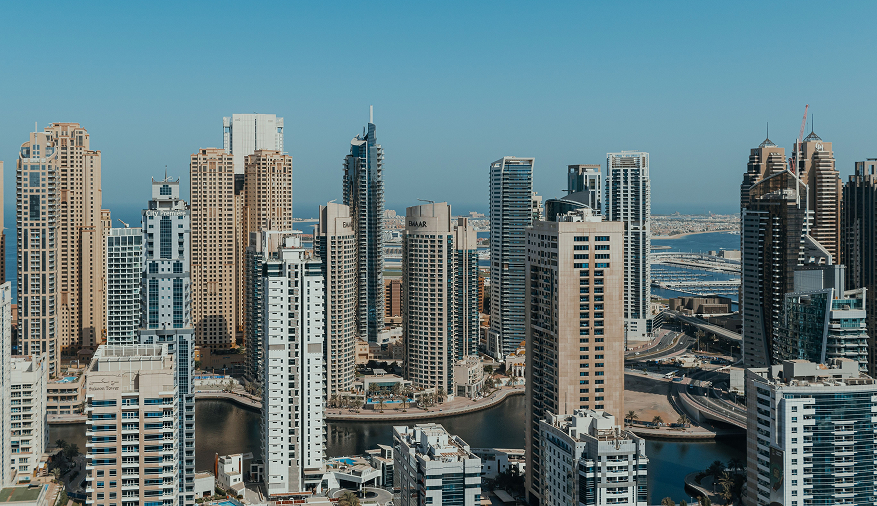
Dubai Marina is a 10–15 minute drive from the Palm across the bridge. It's the nearest major urban hub, with a Metro station, extensive dining and nightlife, and a much higher density of shops and services. Many Palm residents head to the Marina for a night out or a weekend brunch.
JBR (Jumeirah Beach Residence)
Just next to the Marina, JBR's The Walk and The Beach are popular with Palm residents for their open-air dining and beach access. It's walkable from the Marina tram and a short drive from the Palm trunk.
Downtown Dubai and Business Bay
About 25–30 minutes by car, Downtown Dubai and Business Bay are the main business districts for Palm residents who work in those areas. The drive is straightforward via Sheikh Zayed Road outside of peak hours.
FAQs
Is Palm Jumeirah expensive compared to other Dubai neighbourhoods?
Yes, it's one of Dubai's most expensive areas to rent. Apartments start from AED 90,000 per year for a studio, which is significantly higher than similarly sized units in communities like JVC or Al Nahda. Villa rents are in a different category entirely — comparable addresses include Emirates Hills and District One.
Does Palm Jumeirah have public transport?
The Palm Monorail runs from the Gateway Towers at the base of the trunk to Atlantis on the crescent. It connects to the Jumeirah Lakes Towers Metro station via a short transfer, but the journey adds time. Most residents rely on their own vehicle or ride-hailing apps for daily commuting.
Can expats rent on Palm Jumeirah?
Yes, there are no restrictions on expats renting here. All standard UAE tenancy rules apply — Ejari registration, a valid Emirates ID and a signed tenancy contract. Most landlords request two to four post-dated cheques, though the number is often negotiable for longer tenancies.
Palm Jumeirah suits a specific kind of resident: someone who values privacy, outdoor space and a premium lifestyle over transit links and budget flexibility. The island has a genuine community feel, especially on the fronds, and demand for both long-term and short-term rentals stays strong year-round. If the numbers work for you, a few addresses in Dubai come close.