


Key Takeaways
- Apartments are more affordable upfront and better suited to singles, couples, and professionals in central locations.
- Villas cost significantly more overall but offer 2–4x the space, privacy, and outdoor areas that families genuinely need.
- Hidden costs, such as DEWA, housing fees, agency fees, and maintenance, can add 10–30% on top of your base rent.
- For a 3-bedroom in a mid-tier community, expect to spend AED 227,000 to AED 320,000 all-in annually, depending on property type.
- Rents rose sharply in 2025 and continued pressure into 2026 — knowing the real numbers before you negotiate matters.
What You're Actually Comparing
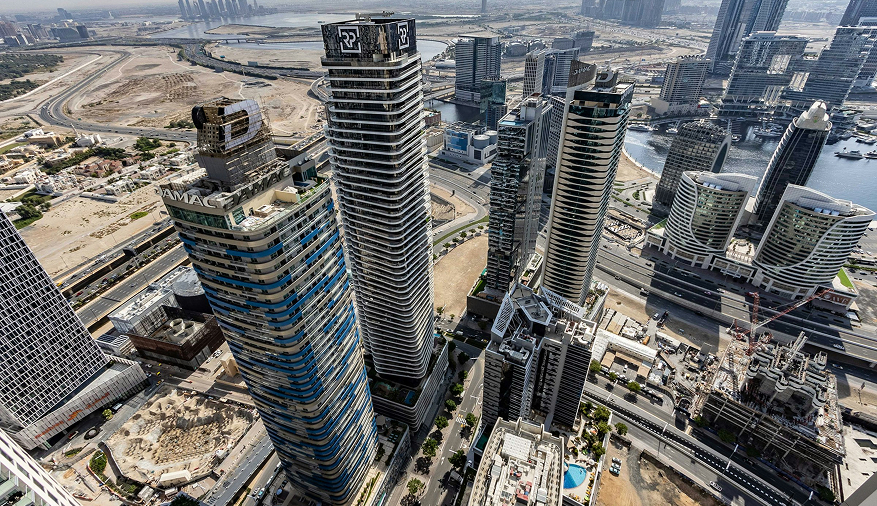
Apartments in Dubai sit within high or low-rise buildings with shared amenities — pools, gyms, lobbies, and security. They suit singles, couples, and young professionals who want convenience, shorter commutes, and central locations like Dubai Marina, Business Bay, or Downtown.
Villas and townhouses offer space, privacy, gardens, and a more grounded community feel. Families with children or pets tend to gravitate toward suburban communities like Arabian Ranches, DAMAC Hills, or Dubai Hills Estate — areas built around schools, parks, and quieter streets.
The lifestyle difference is real. Villas have bigger spaces but require car dependency and longer drives. On the other hand, apartments have comparatively less rent, but they are located in the city centre, allowing easy access to public transportation.
Base Rental Costs: Apartments vs Villas

Apartments
| Size | Average Annual Rent (AED) |
|---|---|
| Studio | 42,000 |
| 1-Bedroom | 63,000 |
| 2-Bedroom | 97,000 |
| 3-Bedroom | 164,000 |
Villas and Townhouses
| Size | Average Annual Rent (AED) |
|---|---|
| 3-Bedroom | 157,000 |
| 4-Bedroom | 246,000 |
| 5+ Bedroom | 445,000+ |
The Hidden Costs Everyone Forgets
This is where renters often get surprised. Whether you're renting an apartment or a villa, these costs apply on top of your base rent:
- Security Deposit: 5% of annual rent (refundable, usually via post-dated cheques)
- Agency Fee: 2–5% of annual rent, paid once to your broker. Here's a full breakdown of agency fees in Dubai if you want to know what's negotiable.
- DEWA Activation: ~AED 130 (non-refundable)
- Housing Fee: 5% of annual rent, billed via DEWA
- Ejari Registration: AED 200–500. This step is mandatory — without an active Ejari, you can't activate utilities or raise disputes.
- Chiller Fee (district cooling): AED 1,000–5,000+/year in many apartment buildings
DEWA: The Bill That Changes Everything

Dubai's climate makes electricity and water costs a major variable. Air conditioning runs almost year-round, and DEWA bills vary significantly:
- Apartments: AED 8,000–15,000/year for 1–2 bedrooms
- Villas: AED 20,000–40,000+/year for 3–4 bedrooms, especially with gardens or private pools
DEWA deposits also differ — AED 2,000 for apartments vs AED 4,000 for villas.
Villa-Specific Extras
If you're moving into a villa, budget for:
- Gardener/landscaping: AED 1,000–2,000/month
- Pool cleaning and maintenance: Varies by size
- Pest control, minor repairs: AED 5,000–15,000/year combined
These don't apply to apartments, where building maintenance is usually the landlord's responsibility — though always review your Ejari contract carefully to confirm what's included.
So, Which One Makes More Sense for You?
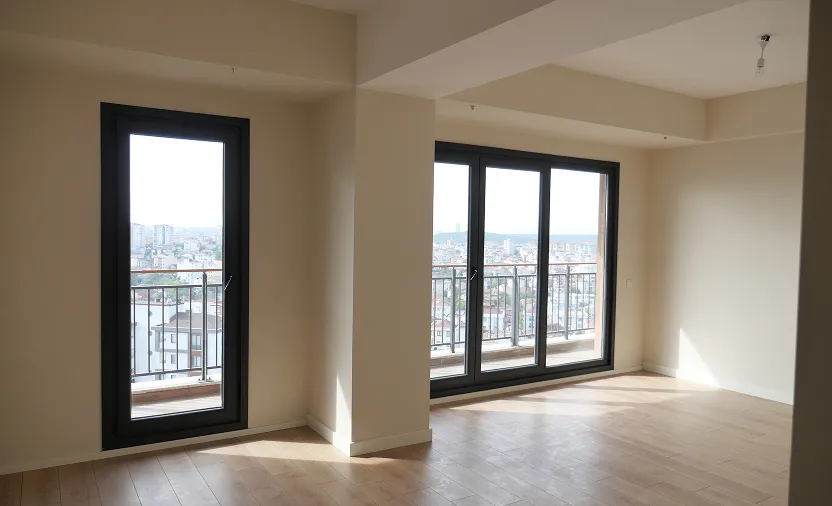
Rent an apartment if:
- You're a single professional, a couple, or a small household
- You want central access to work, restaurants, and transport
- You're budget-conscious or planning a shorter stay
- You prefer managed, low-maintenance living
Rent a villa if:
- You have children or pets who need outdoor space
- You value privacy and a quieter community
- You're planning to settle for the long-term
- The cost per square foot matters more than the headline rent
Frequently Asked Questions
1. Who pays the housing fee and DEWA in Dubai — the tenant or the landlord?
In almost all residential rentals in Dubai, tenants pay the DEWA bills (electricity, water, sewerage) and the housing fee (5% of annual rent, added to DEWA). The landlord typically covers major structural maintenance and community service charges, but this should always be confirmed in your tenancy contract before signing.
2. Can I negotiate rent on a villa or apartment in Dubai?
Yes — in areas with higher vacancy rates or slower demand, landlords are often open to 5–15% below the asking price, especially if you offer fewer cheques or a longer lease. Use the Dubai Smart Rental Index to check what similar units in your target building are actually renting for before entering any negotiation.
If the upfront cost is a concern — whichever you choose — Keyper's Rent Now, Pay Monthly lets you spread your annual rent into 12 monthly payments while your landlord receives the full amount upfront. It's a practical option that's making Dubai rentals more accessible for tenants across both apartments and villas.
For current listings on both property types, explore Keyper's rental marketplace to compare real options in your budget and preferred community.



.jpg)
.jpg)