

Key takeaways
- The Dubai Land Department (DLD) registers every property transaction, and ownership is only legally complete once the DLD records it.
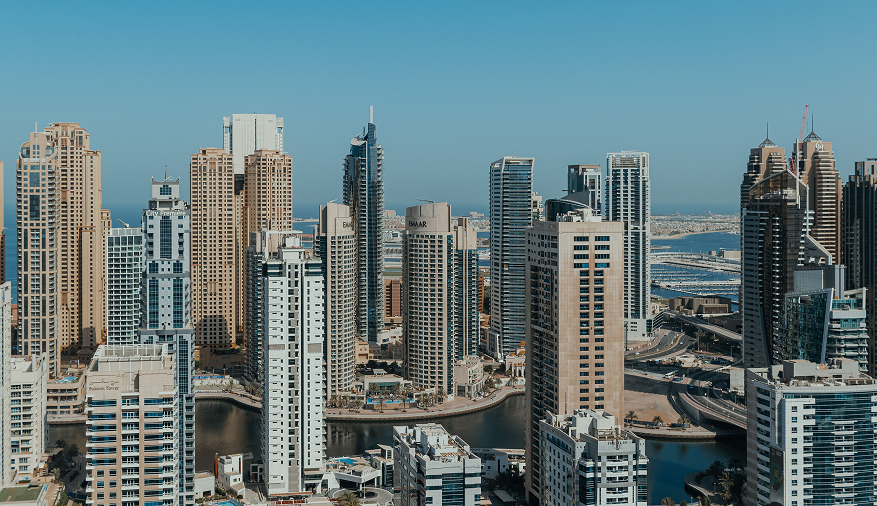
- Foreigners can buy freehold property in designated zones such as Dubai Marina, Downtown Dubai and Palm Jumeirah.
- The DLD transfer fee is typically 4% of the property value, and the buyer usually pays it.
- Off-plan buyers receive an Oqood certificate first and a Title Deed after handover.
- Every tenancy contract must be registered on Ejari, which tenants also need for DEWA connection and visa applications.
Government bodies and registration terms
DLD: Dubai Land Department
The Dubai Land Department is the main authority for property in the emirate. It registers every transaction, issues title deeds and handles mortgages and ownership transfers. It also keeps the official land registry.
Ownership is only legally complete once the DLD records it. A signed contract alone is not enough.
RERA: Real Estate Regulatory Agency

RERA is the regulatory arm of the DLD. It licenses brokers and developers, oversees escrow accounts and regulates how properties are advertised.
RERA and rental rules
RERA also sets the rules landlords and tenants follow, including the rental index. These sit inside Dubai rental law, so it helps to know the basics before you sign.
Ejari
Ejari is Dubai's mandatory online system for registering tenancy contracts. A registered contract is what makes a rental legally valid.
Where you need an Ejari certificate
Tenants need it to connect DEWA, apply for visas and take a dispute to court. Landlords or agents can complete Ejari registration online.
Ownership types and buying stages
Freehold, leasehold and musataha
Freehold
Freehold gives you full, perpetual ownership of the property and the land under it. Under Dubai's rules, foreigners can buy property in Dubai on a freehold basis in designated zones. These include Dubai Marina, Downtown Dubai, Palm Jumeirah, Business Bay and JLT.
It is the most popular option for international buyers.
Leasehold
Leasehold is a long-term right to use a property, typically for 30–99 years. You do not own the land. When the term ends, the rights go back to the freeholder.
Leasehold is less common in new residential sales to expats.
Musataha
Musataha is a land-use right of up to 50 years, and it can be renewed. The holder can build, develop, use or lease structures on it. It appears more often in commercial and industrial projects.
Off-plan and ready property
Off-plan
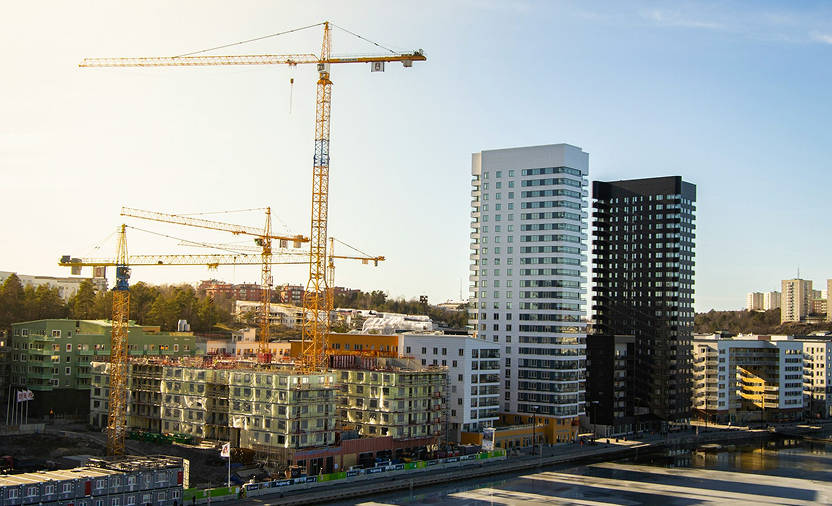
Off-plan means buying before or during construction, usually straight from the developer. Payments follow construction progress in stages.
Ready or completed property
A ready property is finished and available for immediate handover or occupation.
Primary and secondary markets
Primary market
The primary market means buying new units directly from the developer.
Secondary market
The secondary market means buying resale properties from existing owners.
Key documents and contracts
Proof of ownership
Title Deed
The Title Deed, or e-Title Deed, is the official DLD document that proves full ownership. It arrives after transfer for ready properties and after handover for off-plan homes. You need it to resell, mortgage or rent out the property.
Oqood
Oqood is the registration system and certificate for off-plan purchases. It acts as preliminary proof of ownership until the final Title Deed arrives. It also protects your rights while the building is under construction.
Sale contracts

SPA: Sales and Purchase Agreement
The SPA is the binding contract between buyer and seller, or buyer and developer. It sets out the price, payment plan, unit details, handover timeline and conditions.
Form F
Form F is also called the Unified Contract or MOU. It is the standard RERA form that formalises the agreement between buyer and seller before the transfer at the DLD.
Clearances and authorisation
NOC: No Objection Certificate
An NOC is a clearance letter, usually from the developer or community management. It confirms there are no outstanding dues or objections to the sale. Most resales need one.
POA: Power of Attorney
A POA lets someone act for you in property transactions. It must be notarised and attested. Owners abroad often use one to rent out a property in Dubai from outside the UAE.
Fees, costs and financial terms
Buying and owning costs
DLD transfer fee
The DLD transfer fee is a government registration fee, typically 4% of the property value. The buyer usually pays it. On an AED 1.5M apartment, that comes to AED 60,000.
Service charges
Owners pay service charges every year for maintenance, security, amenities and common areas. Service charges in Dubai directly reduce your net rental yield.
Escrow account
An escrow account is a protected bank account that holds off-plan buyer payments. The developer gets the money only as construction milestones are met, under RERA oversight.
Investment measures
LTV: Loan-to-Value
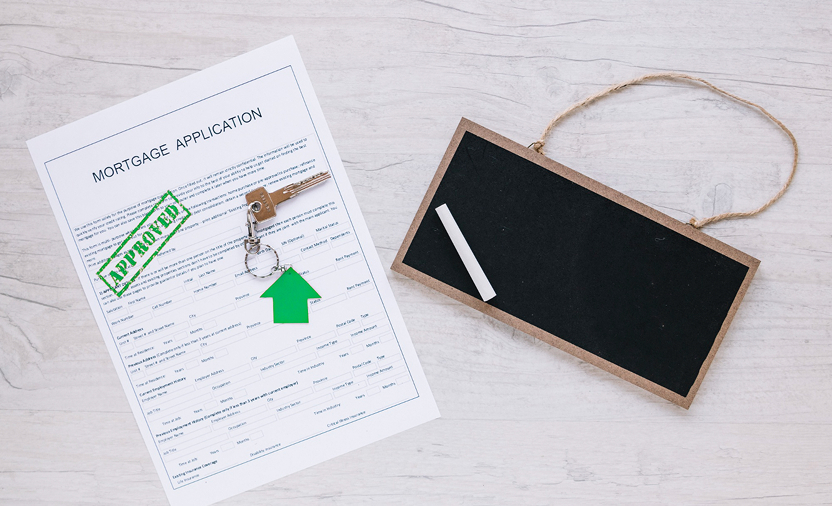
LTV is the mortgage amount divided by the property's value, and it decides your down payment. At 75% LTV on an AED 2M home, you borrow AED 1.5M and pay AED 500,000 yourself.
ROI and capital appreciation
ROI (Return on Investment) shows what a property earns compared with what you paid. Capital appreciation shows how much its value grows over time. Investors use both to compare areas with the highest rental income.
Rental terms every tenant and landlord should know
Contract and payment terms
Tenancy contract
The tenancy contract is the legal agreement between landlord and tenant. It covers rent, duration, payment terms, deposit and maintenance duties. Law No. 26 of 2007, as amended, governs it.
RERA Smart Rental Index
The Smart Rental Index sets the maximum rent increase at renewal. It compares the average rents of similar units in the same area or building. Landlords cannot raise rent freely, because the Smart Rental Index caps the increase.
Security deposit
The deposit is typically 5% of annual rent for unfurnished homes and 10% for furnished ones. It covers damage beyond normal wear and tear. Landlords can only make security deposit deductions for real, provable reasons.
Cheques and notice periods
Landlords often split annual rent into one, two, four or 12 cheques. Either side must give 90 days' written notice to end or change the contract.
Keyper's Rent Now, Pay Monthly works differently from a traditional lease with post-dated cheques. Keyper pays the landlord the full annual rent, and the tenant pays Keyper monthly.
Agency commission
Agents typically charge 5% of annual rent plus VAT for finding a tenant.
Disputes and utilities
RDC: Rental Dispute Settlement Centre
The RDC is the DLD tribunal for landlord–tenant disputes. It hears cases on deposit deductions, maintenance, eviction and rent increases. Either side can file a rental dispute there.
DEWA, chiller and housing fee
Tenants open a DEWA account after Ejari registration. The refundable deposit is AED 2,000 for apartments and AED 4,000 for villas. Chiller-free means the landlord pays for cooling. Tenants usually pay the housing fee, which is 5% of annual rent and appears on the DEWA bill.
Mollak
Mollak is the DLD system for managing and collecting service charges in jointly owned buildings. Owners view and pay invoices through the Dubai REST app.
Property management terms
Property management company
A property management company is a RERA-licensed firm that handles leasing, tenant placement, rent collection, maintenance and Ejari registration. Fees commonly run 5–10% of annual rent, and the property management cost depends on the service level.
Keyper is a trusted choice here, especially for overseas owners. It charges AED 11 per rented day and nothing during vacancy. Its property management software keeps owners updated in real time.

FAQs
What is the difference between freehold and leasehold in Dubai?
Freehold gives you ownership of the property and the land beneath it, with no time limit. Leasehold gives you the right to use a property for a fixed term, usually 30–99 years. When the term ends, the rights revert to the freeholder.
Who pays the DLD transfer fee in Dubai?
The buyer usually pays it. The fee is typically 4% of the property value, so an AED 2M home carries a fee of AED 80,000.
What is the difference between Oqood and a Title Deed?
Oqood is the preliminary proof of ownership for off-plan purchases. The Title Deed is the final proof, issued after handover. You need the Title Deed to resell, mortgage or rent out the property.
Keep this glossary close when you read your next SPA, tenancy contract or DEWA bill. Owners who want help with the rental side can ask Keyper's team to manage leasing, rent collection and maintenance.