


Key Takeaways
- Security deposits in Dubai are 5% of the annual rent for unfurnished properties and 10% for furnished ones.
- There is no federal law mandating a fixed deposit amount, but Dubai Law No. 26 of 2007 (Article 20) requires landlords to refund it at lease end, minus justified deductions.
- You can negotiate the deposit directly with your landlord, ask for a split or use a Rent Now, Pay Monthly (RNPM) service to bundle it into monthly payments.
- Platforms like Keyper allow you to spread your security deposit across your first three monthly payments, with no disruption to the landlord's payment structure.
- Always document the property's condition on move-in to protect your deposit at the end of the tenancy.
What Is a Security Deposit in the UAE?
A security deposit is a refundable sum paid by the tenant at the start of a tenancy to protect the landlord against unpaid bills, property damage beyond normal wear and tear, or early termination of the tenancy.
In Dubai, the standard rates are 5% of annual rent for unfurnished properties and up to 10% for furnished ones. In Abu Dhabi and other emirates, the amounts follow similar market norms, though there is no single federal cap.
Under Dubai Law No. 26 of 2007, as amended by Law No. 33 of 2008, landlords are legally required to refund the deposit upon expiry of the tenancy contract, less any valid deductions. Rental disputes over deposit refunds can be escalated to Dubai's Rental Disputes Centre (RDC).
The deposit is not counted as rent. You cannot ask your landlord to use it as your last month's payment. You must clear all dues independently before the deposit is returned.
Why Splitting the Security Deposit Makes Sense
For most UAE tenants, moving costs stack up fast. You could be looking at:
- One to four post-dated cheques for annual rent
- A 5% to 10% security deposit
- A 5% agency fee (minimum AED 5,000)
- DEWA activation and housing fee
- Moving expenses
That is often six to eight figures worth of cash going out in the first few weeks. Spreading the deposit even partially gives you meaningful breathing room.
The Legal Framework You Need to Know
Before splitting or deferring a deposit, it helps to understand what the law says. Dubai rental laws do not prohibit tenants from making private arrangements about how they fund the deposit payment. Abu Dhabi rental laws also mention the same.
The landlord must receive the agreed amount at the time of contract signing. You can either negotiate a security deposit or ask the landlord for instalments. Also, you can apply for rent and security deposit instalments via Keyper. Terms and eligibility apply.
Your Ejari registration and tenancy contract remain standard throughout. Nothing changes on the landlord's side.
How to Split a Security Deposit: Your Options
Option 1: Negotiate Directly With Your Landlord

This is the most straightforward approach, and it costs nothing to try.
When Does It Work?
Direct negotiation works best when:
- You have a strong rental history or references
- The property has been sitting vacant for a while
- You are committing to a longer lease (two years or more)
- The market is slower, and the landlord is motivated to fill the unit quickly
What to Ask For
Phased Payment
Ask to pay the deposit in two or three instalments across your first few months. For example, 50% upfront and 50% by the end of month three. Some landlords are open to this, particularly if you are working with a reputable agency or have a stable income from a well-known employer.
Reduced Deposit
In some cases, especially for unfurnished properties in softer market conditions, landlords will accept a lower deposit, particularly if you offer to pay rent in fewer cheques or agree to a longer contract term.
Waiver
Rare, but it happens. Tenants with exceptional credentials and strong references occasionally negotiate a full deposit waiver. Do not count on it, but it is worth raising.
Option 2: Use a Rent Now, Pay Monthly (RNPM) Service
.jpg)
This is the most structured and tenant-friendly option available in the UAE today. RNPM platforms pay your landlord in full — including the security deposit — and let you repay in monthly instalments. The landlord receives exactly what they expect. You pay in a way that works for your cash flow.
How Keyper Handles the Security Deposit
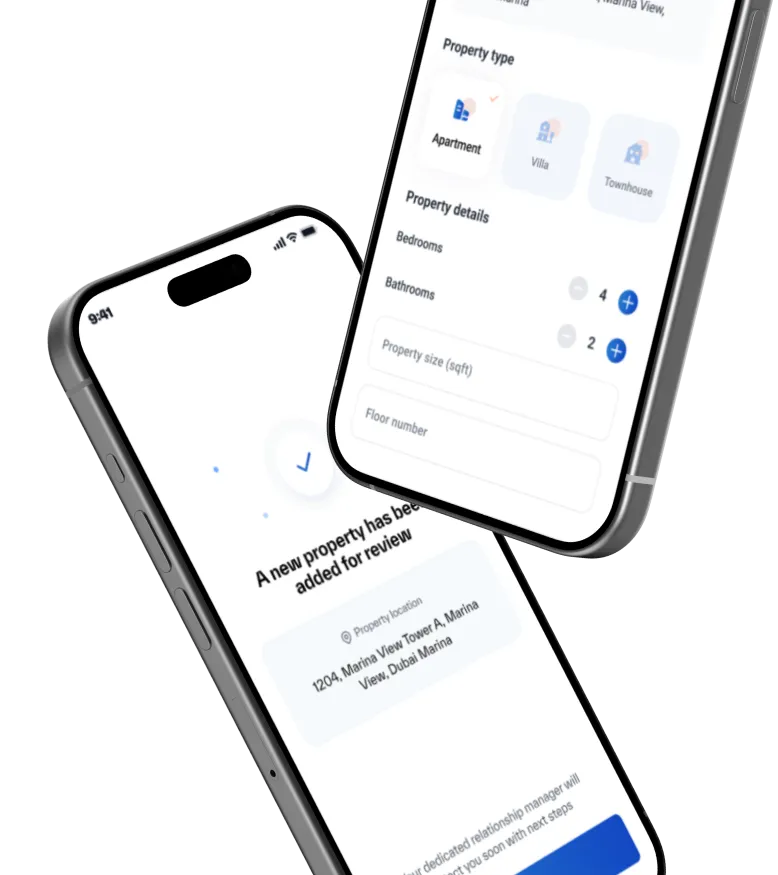
Keyper's Rent Now, Pay Monthly service allows you to spread your security deposit across your first three monthly payments. Here is what that looks like in practice:
- You apply through the Keyper app or website
- Keyper pays your landlord the full deposit and rent upfront (in 1, 2, or 4 cheques, as agreed)
- You repay Keyper monthly via your credit or debit card
- The deposit portion is bundled into your first three payments, reducing the upfront burden significantly
At the end of the lease, the deposit refund process is between you and the landlord. Keyper is not involved in deductions or disputes at that stage — the rights and responsibilities of the tenants remain the same under Dubai tenancy law.
Who Is Eligible?
To use Keyper's RNPM service, you generally need:
- A valid UAE residency or work visa
- A minimum monthly income (as assessed during application)
- A credit check (self-employed applicants may also qualify in certain cases)
You can check your eligibility quickly through the Keyper app without affecting your credit score upfront.
What About Fees?
Keyper's service includes a fee built into your monthly repayments. Before committing, calculate the total cost over 12 months and compare it to the financial strain of paying the full deposit upfront. For many tenants, the monthly flexibility more than justifies the difference.
What Landlords Can Legally Deduct From Your Deposit
Understanding this upfront saves disputes later.
Landlords in the UAE can only make deductions for:
- Damage beyond normal wear and tear (holes, burns, broken fittings)
- Unpaid utility bills (DEWA, chiller, etc.)
- Professional cleaning costs if the property is returned in poor condition
- Early contract termination losses, as specified in the agreement
They cannot deduct for minor scuffs, faded paint, or light carpet wear from everyday use. These are considered normal wear and tear and remain the landlord's responsibility.
How to Protect Your Deposit at Move-In
The single most effective thing you can do is document the property thoroughly on day one. Use the rental handover checklist to guide you through the process, room by room. Take timestamped photos and videos of every space, share them with your landlord, and keep a copy.
If deductions at the end of the tenancy seem unjustified or undocumented, you can file a complaint with Dubai's Rental Disputes Center (RDC) within 30 days of vacating.
FAQs
Can I ask my landlord to use the security deposit as my last month's rent?
No. Under UAE tenancy law, the security deposit and rent are separate obligations. You cannot ask your landlord to offset the deposit against your final month's rent payment.
How long does a landlord have to return the security deposit in Dubai?
There is no fixed legal deadline specified in Dubai Law No. 26 of 2007, but the standard practice is for landlords to return the deposit within 30 days of receiving the tenant's vacate notice, cancelled Ejari certificate, and completion of the move-out inspection. If the landlord is unresponsive or makes unjustified deductions, you can file a rental dispute.
The security deposit is a legitimate part of renting in the UAE, but it does not have to drain your savings before you have even settled in. Whether you negotiate directly with your landlord, set up a clear roommate arrangement, or use Keyper's Rent Now, Pay Monthly service to spread the cost over your first three months, there are real, legal options available to you.