


Key Takeaways
- Dubai's RDC handles nearly all landlord-tenant disputes, including eviction, rent, maintenance, and deposit claims
- Most disputes can be resolved through mediation before reaching a formal court hearing
- A registered Ejari contract is essential before filing any case at the RDC
- Landlords must give 90 days' written notice for rent increases and 12 months' notarised notice for end-of-lease evictions
- Filing fees at the RDC are typically 3.5% of annual rent, capped at AED 20,000 for most case types
1. Unlawful or Excessive Rent Increases
This is one of the most frequently filed disputes in Dubai. Landlords are legally required to give 90 days' written notice before the lease expiry date before applying any rent change. More importantly, according to the rent increase law, any increase must fall within the limits set by the RERA Rental Index, which caps hikes at between 0% and 20%, depending on how your current rent compares to the market average for similar properties.
Increases that skip the notice period, exceed the index cap, or happen more than once in 12 months are not legally enforceable.
.jpg)
How to handle it
Use the Smart Rental Index Calculator on the Dubai REST app or DLD website to verify whether the proposed increase is valid. If it is not, reject it in writing and propose the maximum allowed amount. You can file an "Offer and Deposit" case at the RDC, which lets you deposit the legally permitted rent amount with the centre and prevents eviction solely for refusing an illegal hike.
Evidence needed
Your Ejari contract, previous payment records, a screenshot from the RERA Rent Calculator, and all written correspondence with your landlord.
2. Eviction Disputes
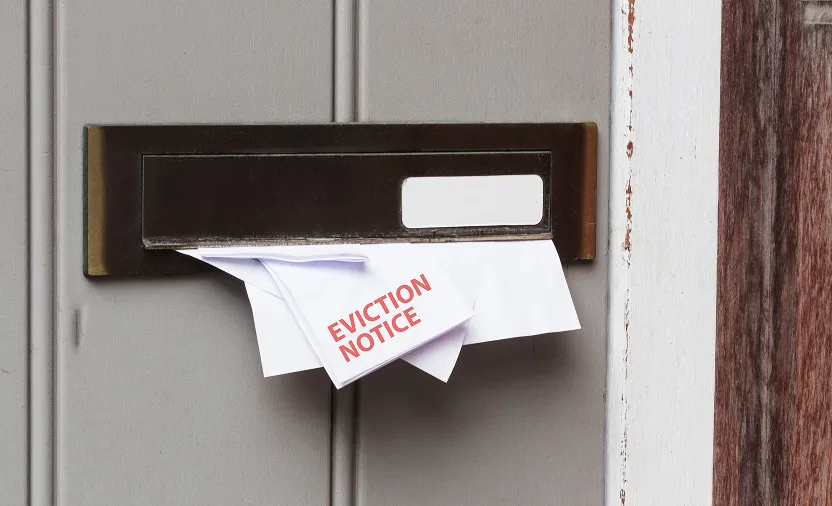
Not all eviction notices are legal. Under Dubai rental laws, a landlord can only evict a tenant mid-lease under specific circumstances: non-payment of rent after a 30-day formal notice, unauthorised subletting, illegal use of the property, or serious damage caused by the tenant.
For end-of-lease evictions, the rules are stricter. If the landlord wants to reclaim the property for personal use, major renovation, demolition, or sale, they must serve a 12-month notarised notice before the lease ends. They also face restrictions on re-renting the same unit for at least 12 months after the tenant vacates.
Serving an eviction notice incorrectly or without valid grounds gives tenants strong grounds to challenge it at the RDC.
How to handle it
Verify that a notary or a court process server delivered the notice. Tenants can challenge invalid notices directly at the RDC. Landlords who need to proceed with a lawful eviction should file an eviction lawsuit if the tenant refuses to vacate after a valid notice period.
3. Security Deposit Disputes
Security deposits in Dubai are capped at 5% and 10% of annual rent for unfurnished and furnished properties, respectively. Disputes arise when landlords withhold part or all of the deposit, citing damages, cleaning costs, or unpaid bills without providing proper documentation, or when they delay refunds well beyond the standard 30 to 60-day handover window.
The core disagreement usually comes down to what qualifies as fair wear and tear versus actual tenant damage. A small nail hole in the wall is not the same as a broken AC unit.
How to handle it
Document the property thoroughly at both move-in and move-out with dated photos, video walkthroughs, and a joint checklist signed by both parties. If the landlord makes deductions, request an itemised breakdown with invoices. Unresolved deposit disputes can be filed as a monetary claim at the RDC.
4. Non-Payment of Rent
When tenants fall behind on rent, it triggers a formal 30-day notice from the landlord before any eviction or legal proceedings begin. Bounced cheques add a separate layer of legal risk under UAE law, making timely payment communication even more important.
How to handle it
Tenants experiencing financial difficulty should contact their landlord early and in writing to propose a payment plan. Many landlords prefer a negotiated schedule over the cost and delay of an RDC filing.
Moreover, a better option can be choosing monthly rent payments instead of one to six cheques. Keyper’s rent now, pay monthly service, allowing you to pay rent via credit card. Also, you can split your security deposit into three instalments. Terms and eligibility conditions apply.
5. Maintenance and Repair Disputes

Landlords are responsible for maintaining the property in habitable condition. This covers major structural issues, central AC systems, plumbing, and electrical infrastructure. Tenants are responsible for minor day-to-day maintenance and must report faults to the landlord promptly in writing.
Disputes escalate when landlords ignore repair requests or when the two parties disagree on who caused the damage. If your landlord has gone quiet and is not responding to maintenance requests, here’s what to do when your landlord is unresponsive.
How to handle it
All repair requests should go in writing with a timestamp, via email or WhatsApp with a read receipt. If the landlord fails to act within a reasonable period, tenants can arrange the repairs themselves and seek reimbursement through the RDC, supported by contractor invoices and documentation of the original request.
6. Early Lease Termination
Early termination of the lease contract without mutual agreement can expose either party to financial penalties. Tenants who leave without notice or proper grounds may owe the remaining rent or an agreed-upon penalty. Landlords who terminate early without cause risk claims for compensation at the RDC.
How to handle it
Review the early termination clause in your contract first. Negotiate before filing a rental dispute. Tenants can sometimes reduce liability by finding a suitable replacement tenant. If one party is acting in breach of contract, the RDC can order enforcement, compensation, or formal termination approval.
How to File a Dispute at the RDC

If direct communication does not resolve the issue, the RDC is your next step. Before filing, make sure your tenancy contract is registered on Ejari. Without Ejari, it can complicate any claim significantly.
Filing is available online through rdc.gov.ae or the Dubai REST app. For most disputes, start with a "Dispute Lawsuit for Amicable Settlement," which is mediation-focused and typically faster. If the matter requires a formal ruling, file it at First Instance. Fees are generally 3.5% of annual rent, with a minimum of AED 500 and a maximum of AED 20,000 for eviction and renewal cases.
The process runs as follows: notification to the other party, then a mediation session (often resolved here), followed by formal hearings if needed (available virtually), judgment, and enforcement. Many cases resolve within weeks through mediation.
For complex cases, a real estate lawyer or DLD-registered trustee can represent you. Note that proceedings are conducted in Arabic, so certified translations of any documents in other languages will be required.
Frequently Asked Questions
Can I be evicted for refusing an illegal rent increase in Dubai?
No. If you file an "Offer and Deposit" case at the RDC and deposit the legally permitted rent amount with the centre, your landlord cannot evict you solely for declining an increase that exceeds the RERA Rental Index cap. The key is acting promptly and in writing.
What happens if my tenancy contract is not registered on Ejari?
An unregistered tenancy contract has no legal standing in Dubai courts or at the RDC. Without Ejari registration, you cannot connect to DEWA utilities, renew your residency visa linked to that address, or file a formal dispute.
How long does an RDC dispute take to resolve?
Timelines vary depending on complexity and whether the parties reach an agreement at the mediation stage. Simple monetary claims and rent deposit disputes often settle within a few weeks. Contested eviction cases or those requiring multiple hearings can take several months. Filing online through the Dubai REST app and attending virtual hearings helps speed up the process.
Most rental disputes in Dubai are avoidable with clear contracts, timely written communication, and a basic understanding of landlords' and tenants' rights and responsibilities. When conflicts do arise, the RDC offers a structured and accessible process for both tenants and landlords. The earlier you act, the more options you have. Document everything, know the law, and use mediation before escalating to a full hearing.
If you are a landlord looking to reduce the risk of disputes from the start, Keyper's property management services handle contracts, Ejari registration, and tenant communications on your behalf, so small issues do not turn into RDC filings.