

Key takeaways
- Smart home features can add a 10–15% rental premium in Dubai compared to similar non-smart units.
- Climate control is the highest-priority upgrade — smart thermostats can cut cooling costs by 15–37%
- Basic setups (smart lighting and plugs) start at AED 2,500–5,000 and can justify a 5–10% rent increase.
- A mid-range fit-out for a 2–3 bedroom apartment typically costs AED 8,000–45,000.
- Smart security systems — keyless entry, video doorbells, remote CCTV — are among the most valued features for families and professionals.
- Choose Matter-compatible systems for easier future upgrades and broader device integration.
Why smart features move the needle in Dubai specifically
Most rental markets have tenants who appreciate smart features. Dubai has tenants who expect them. Dubai's push towards smart city standards has moved smart home technology from "nice to have" to "actively noticed on a listing." The city's tenant base skews young, internationally mobile, and digitally fluent — and their expectations reflect that.
DEWA bills are a real factor here. Summer cooling costs in Dubai can run AED 800–1,500 per month for a mid-size apartment. Any feature that cuts that figure is a genuine selling point. Landlords who price their rental properties competitively in Dubai know that lower running costs make a higher rent easier for tenants to justify.
Smart climate control: the most impactful single upgrade
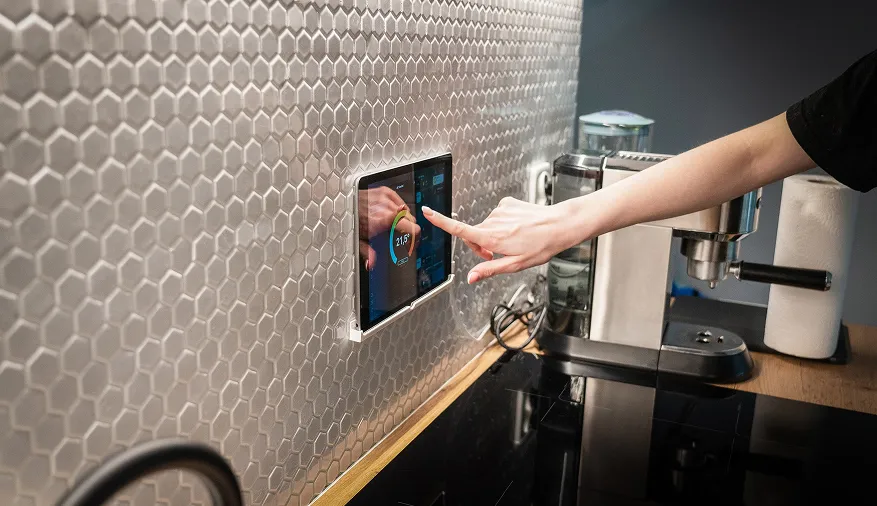
Air conditioning runs around the clock for six months a year in Dubai. Smart HVAC and thermostat systems are the upgrade with the clearest financial case here. A learning thermostat that adjusts to occupancy patterns and schedules cooling around peak DEWA hours can cut electricity consumption by 15–37%.
Most modern systems support voice control in both Arabic and English through Alexa or Google Home. They're also easy to demonstrate during a viewing — the practical benefit is immediately visible in a way that fresh paint is not.
Smart lighting and automated shading
App-controlled lighting with occupancy sensors, timed schedules, and mood presets adds perceived value well above its installation cost. Motorised blinds compound this — particularly in east- or west-facing units where afternoon sun makes manual shading a daily task.
These upgrades land well during a viewing. A landlord who triggers "evening mode" from a phone during a viewing has already separated the property from three comparable listings on the same floor.
Security systems tenants actually care about
Smart security features consistently rank among the top reasons tenants choose one property over another — especially families and single professionals. The items that make a meaningful difference:
- Keypad or biometric entry — no lost keys, no locksmith calls, instant access revocation at the end of a tenancy.
- Video doorbells with motion alerts — tenants can check the door remotely and share access with couriers.
- Integrated CCTV with remote monitoring — relevant at building entry points and common areas.
For landlords managing from overseas, smart locks also simplify renting out a property in Dubai from outside the UAE. Handover and access management can happen remotely, without agent involvement.

Energy monitoring and leak detection
Real-time DEWA consumption dashboards and smart plugs give tenants visibility over their utility spend. A two-bedroom apartment's annual electricity and water bill in Dubai can exceed AED 18,000 — so this is a tangible benefit, not a talking point.
Leak detectors are worth a separate mention. A single undetected leak can cause AED 30,000–100,000 in damage. Sensors under sinks and near washing machine connections cost AED 200–600 per unit. The cost-to-risk ratio is hard to argue with.
What it actually costs — and what it returns
For most Dubai landlords, mid-range delivers the clearest return. A 10–15% premium on a 2-bedroom apartment in JVC at AED 90,000 is AED 9,000–13,500 in additional annual income. An AED 20,000 installation pays back within two years, before accounting for shorter vacancy periods.
Smart upgrades work alongside — not instead of — getting the basics right. Vacancy is still the biggest drag on rental yield in Dubai. A smart home won't compensate for poor presentation or overpricing.
Practical notes for landlords
- Choose compatible systems: Matter-certified devices work across ecosystems and are easier for future tenants to build on. Proprietary systems that require a specific app can make re-letting harder.
- Check DEWA and building compliance: Any electrical modifications need to comply with DEWA's technical standards. For hardwired lighting systems or smart panels, use a licensed contractor.
- Highlight features in your listing: Phrases like "smart climate control, app-managed security, and energy monitoring" attract the tenant segment most likely to pay a premium. The type of tenants you attract depends on how the property is presented, not just how it's fitted out.
- Start with high-visibility upgrades: Climate control and smart lighting deliver the best combination of functional value and immediate impression during a viewing.

FAQs
Do smart home features increase rental value in Dubai?
Yes, measurably. Properties with smart features — particularly climate control, security, and lighting — command a 10–15% rental premium over comparable non-smart units, according to Property Finder market data. They also tend to attract longer tenancies and reduce vacancy gaps.
What is the cheapest smart home upgrade that still makes a difference to Dubai tenants?
Smart lighting and plugs are the most cost-effective entry point, with a basic setup running AED 2,500–5,000. These upgrades are visible during viewings, easy to demonstrate, and reduce running costs — which matters in a market where DEWA bills are a genuine concern.
Are smart home systems compatible with Dubai building regulations?
Wireless and app-based systems (smart bulbs, plugs, thermostats, doorbells) generally require no structural changes and sit within standard residential building rules. Any hardwired or panel-level modifications need to comply with DEWA's technical requirements and should be installed by a licensed electrician. If you're in a managed building, check with the owners' association before starting work.
The case for smart home upgrades in Dubai isn't speculative. The premium is documented, the payback period is short at mid-range investment levels, and the tenants paying top rents in competitive areas actively select for these features. For landlords deciding where to spend AED 15,000–25,000, a smart climate and security setup consistently outperforms a full bathroom renovation on yield per dirham.