


Key Takeaways
- Studios and 1-bedroom units often deliver higher percentage yields than larger apartments.
- Targeted upgrades (even minor ones) can justify rent increases of 5 to 10%.
- Vacancy is the biggest yield killer. Minimising empty periods is essential.
- Short-term rentals can outperform long-term leases in tourist-heavy areas, but require proper licensing.
- Professional property management often pays for itself through lower vacancy rates, faster tenant placement, and reliable rent collection.
- Tools like Keyper's property management app give landlords real-time data and automation to make smarter decisions, at no cost.
1. Start With Location and Unit Type
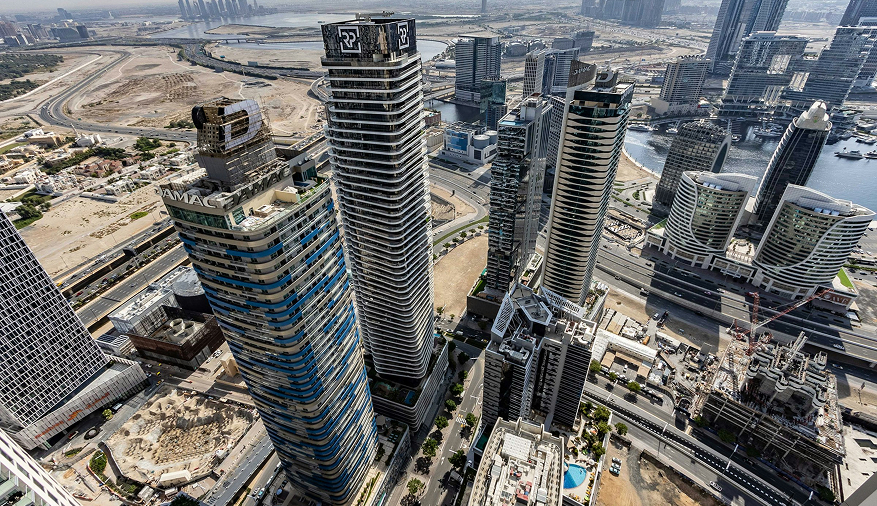
Before upgrading or repricing, make sure your asset is positioned correctly. Areas like Downtown Dubai, Dubai Marina, Business Bay, JLT, and JVC consistently attract high demand from professionals and expats. These locations support both higher rents and lower vacancy.
Unit type matters just as much. Studios and 1-bedroom apartments tend to deliver stronger yields than larger units because they appeal to a broader pool of single tenants and short-term renters. If you are deciding where to invest next, check which areas generate the highest rental income in Dubai before committing.
.jpeg)
2. Upgrade the Property Smartly
You do not need a full renovation to justify a rent increase. Targeted upgrades consistently outperform big-ticket refurbishments in terms of return.
Focus on:
- Kitchen and bathroom refreshes: New fixtures, updated hardware, and a fresh coat of paint go a long way.
- Smart home features: Keypad entry, smart thermostats, and USB outlets are low-cost additions that modern tenants notice.
- Energy-efficient appliances: Lower utility bills are a genuine selling point, especially for long-term tenants.
- Quality furnishings: Furnished units typically command 15 to 20% higher rents in most Dubai communities.
Even improvements like better lighting or blackout curtains can tip a prospective tenant toward signing. Small investments, when well-chosen, can justify rent increases of 5 to 10% and reduce the time your property sits empty.
3. Price Competitively Using Real Data
Overpricing is one of the most common mistakes landlords make. A property listed 10% above market rate that sits vacant for two months has already wiped out any theoretical gain. Use Smart Rental Index to price your property accurately as per the market average.
Use platforms like Bayut, Property Finder, or Keyper's real-time property valuations to benchmark your rent accurately. The goal is to find the sweet spot where occupancy stays high and income stays strong.
Understanding how rental cash flow works in the UAE is just as important as setting the right headline rent. Net yield matters, not just gross.

4. Consider Short-Term Rentals in the Right Zones
If your property is in a high-tourism area like Downtown Dubai, JBR, or Dubai Marina, short-term rentals through platforms like Airbnb can significantly outperform long-term leases, especially during peak seasons.
That said, short-term rentals require a DTCM permit and consistent management. The operational burden is higher, and vacancy risk spikes outside peak periods.
A hybrid approach, where you combine short-term lets during high season with longer tenancies otherwise, can offer the best of both worlds. Comparing short-term versus long-term renting in Dubai is worth doing before you commit to either model.
5. Cut Vacancy Time Aggressively
Property vacancy is the single biggest drag on rental yield. Even one month empty on a property that earns AED 80,000 per year means losing over AED 6,600. Over a portfolio, that compounds fast.
To reduce vacancy:
- List your property before the current tenancy ends, not after.
- Use high-quality photography and virtual tours.
- Offer flexible lease terms where the market allows it.
- Screen tenants properly so you avoid early exits and disputes.
Tenant screening software matches vetted tenants quickly to keep your property occupied. Reliable rent collection through features like Rent Now, Pay Monthly (RNPM) also makes your property more attractive to tenants who prefer monthly payments, which widens your tenant pool without increasing your risk.
6. Control Operating Costs
Yield is a net figure. What you keep matters as much as what you earn.
Review your service charges annually and challenge anything that seems out of line with comparable buildings. Negotiate bulk maintenance contracts if you own multiple units. Energy-efficient upgrades pay back over time through lower utility costs, especially in properties where the landlord covers some bills.
Property management costs in Dubai vary, but the right management partner more than offsets their fee through reduced vacancy, reliable payments, and better tenant retention. For instance, Keyper charges only AED 11 per rented day for property management services in Dubai. No charges for vacant days.
7. Use Professional Property Management

If you are managing and renting out properties remotely or simply do not have the time to do it well, this is where the biggest gains are hiding.
Self-managing versus hiring a property manager is a genuine trade-off, but for most landlords with more than one unit, professional management pays for itself.
- Rent Now, Pay Monthly (RNPM): You receive 100% of annual rent upfront. Tenants pay monthly. Zero default risk, instant cash flow.
- Tenant screening and placement: Vetted tenants placed quickly to reduce vacancy.
- Maintenance tracking: Requests managed and updated without you chasing anyone.
- Real-time valuations: Based on DLD transactions, Smart Rental Index and Property Finder listings.
- Ejari and document management: Full compliance handled in one place.
- Portfolio analytics: Income, expenses, and performance data in one dashboard.
Landlords using Keyper report faster leasing, fewer payment delays, and significantly less admin. It is especially useful if you are based outside Dubai or managing multiple properties.
Quick Action Plan
- Audit your property: location, condition, current rent versus market rate.
- Make targeted upgrades and update your listing with professional photos.
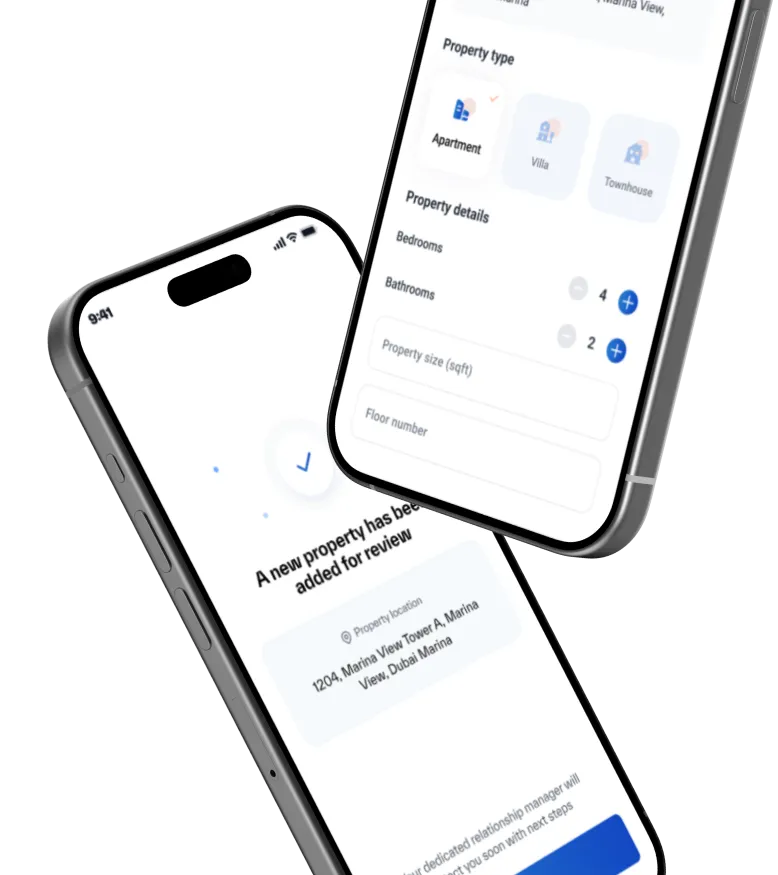
- Download the Keyper app (free) and test the analytics and rent collection features.
- Consider full property management if you want a hands-off approach.
- Review your yield every six months and adjust based on live market data.
Dubai's rental market rewards landlords who stay informed and adapt quickly. The tools to do it are better than they have ever been.

Frequently Asked Questions
What is a good rental yield in Dubai?
A gross yield of 6 to 8% is considered strong in most Dubai communities. High-demand areas like JLT, Business Bay, and Dubai Marina can push beyond this, particularly for well-presented studios and 1-bedroom units. Net yield, after service charges, maintenance, and management fees, is what ultimately matters for your returns.
How does Rent Now, Pay Monthly help landlords increase yield?
With Keyper's RNPM, landlords receive 100% of their annual rent upfront while tenants pay monthly. This removes cash flow uncertainty, eliminates default risk, and makes your property more attractive to a wider tenant pool. More applicants means faster placement and less vacancy, which directly improves your net yield.
Should I furnish my property to increase rental income?
In most Dubai communities, furnished units command 15 to 20% higher rents than unfurnished ones, particularly for studios and 1-bedroom apartments that attract short-stay professionals and newly relocated expats. The trade-off is higher upfront cost and ongoing maintenance of the furnishings. In high-demand areas, the yield improvement typically justifies the investment within the first year.


.jpg)
.jpg)