



Key Takeaways
- An unregistered tenancy contract is legally void and unenforceable in court.
- You cannot activate or transfer DEWA utilities without a valid Ejari certificate.
- Visa renewals linked to your rental address will be blocked without Ejari.
- Tenants bear the most practical risk, even though registration is the landlord's legal responsibility.
- Ejari is only required for contracts of 6 months or longer — short-term rentals need a DTCM permit instead.
- The landlord must digitally approve the registration — tenants cannot complete it alone.
- Ejari can still be renewed after a contract expires, but delays can disrupt utilities and visa processing.
- Online renewal costs AED 220, and the updated certificate is usually issued instantly.
Key Consequences of Not Registering Ejari
When you sign a tenancy contract in Dubai, it must be registered through Ejari. Without Ejari registration, the tenancy is not officially recognised, and you will not be able to file a rental dispute under Dubai rental laws.
.jpg)
No Legal Recourse
Without proof of Ejari registration, courts and RERA tribunals will dismiss disputes over rent increases, unjust eviction cases, or unaddressed maintenance issues. Tenants are left completely exposed — no contract registration means no legal standing, regardless of any agreement, whether verbal or in writing.
Blocked Utilities and Visa Renewals
DEWA requires an Ejari certificate to set up or transfer electricity and water connections. The same applies to residence visa renewals; the UAE's immigration system cross-references the rental address with the Ejari database. An unregistered tenancy contract creates a dead end at multiple government departments.
Who Is Most Affected?
Although property owners and landlords bear the primary legal obligation to register, tenants absorb a significant share of the risk. Service delays at government departments, an inability to process visa paperwork, and a lack of dispute resolution access are all tenant-facing problems that stem from a failure to register Ejari.
When renting in Dubai, it's also important to know where Ejari applies. Registration is mandatory for contracts of six months or longer. Short-term rentals, however, don’t require Ejari registration. They require DTCM (Department of Tourism and Commerce Marketing) permits instead.
For real estate investors, ensuring Ejari compliance on every long-term rental is a foundational step in protecting your UAE portfolio from disputes and regulatory exposure.
Can You Register Ejari Yourself Without the Landlord?
The short answer is no, not fully. Official Ejari registration through the Dubai REST app, DubaiNow or the DLD website requires the landlord to approve the submitted application digitally. This verification step confirms their consent and validates their property ownership, preventing any unauthorised registrations.
Can You Renew Ejari After Your Contract Expires?
Yes — and you should do so promptly. Ejari can be renewed after a tenancy contract expires without formal penalties, provided you act quickly. Delays can result in blocked utilities or an inability to process visa renewals in the interim.
.jpg)
The Renewal Process
Renew via the Dubai REST app, DLD website, DubaiNow, or a Real Estate Services Trustee Centre such as EGSH. You'll need to submit the following:
- The renewed or new tenancy contract
- Passports and Emirates IDs for both tenant and landlord
- Previous Ejari certificate
- Title deed for the property
- A recent DEWA bill
The registration fee is AED 220. Once submitted and approved by the DLD — which is often instant when done online — you'll receive your updated e-certificate digitally.
FAQs
1. Is Ejari registration mandatory in Dubai?
Yes. All tenancy contracts of six months or longer must be registered under Ejari in accordance with regulations set by the Real Estate Regulatory Agency (RERA). An unregistered contract is considered legally invalid in disputes.
2. What happens if my tenancy contract is not registered with Ejari?
Your contract may be unenforceable in court. You could face:
- Inability to activate DEWA utilities
- Blocked visa renewals linked to your rental address
- No access to dispute resolution through the Rental Dispute Centre
3. Who is responsible for registering Ejari — landlord or tenant?
Legally, the responsibility falls on the landlord. However, in practice, many landlords authorise tenants or real estate brokers to complete the registration on their behalf.
4. Can I activate DEWA without Ejari?
No. Dubai Electricity and Water Authority (DEWA) requires a valid Ejari certificate before activating or transferring electricity and water services.
Ejari registration is not optional administrative paperwork — it is the legal backbone of any long-term tenancy in Dubai. Without it, a rental contract lacks enforceability under the framework governed by the Real Estate Regulatory Agency and the Dubai Land Department.
For tenants, failure to register can mean blocked utilities, stalled visa renewals, and zero protection in rental disputes, such as irregular rent increases. For landlords and investors, non-compliance introduces regulatory exposure, dispute vulnerability, and operational friction.
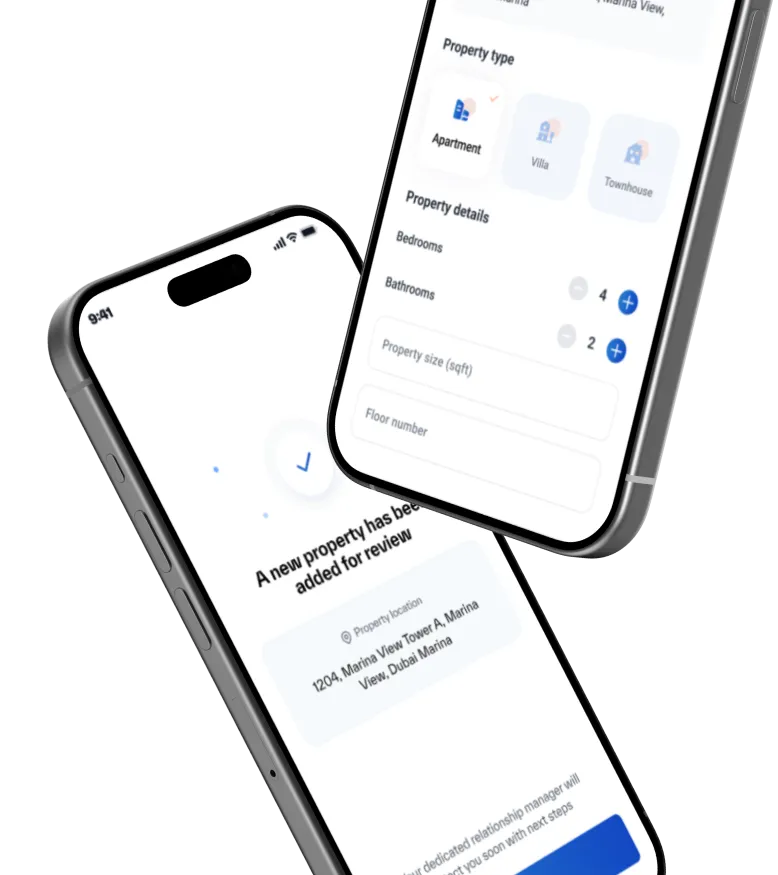
For effortless Ejari and tenant management, landlords can use the property management app by Keyper. As a property owner, you can also opt for property management services by Keyper, which helps you manage tenants, maintain properties and take care of all the legal requirements.


.jpg)
.jpg)