



TL;DR – Key Takeaways
- Studios deliver the highest gross yields but come with higher tenant turnover and more active management.
- 1-bedroom units offer the best balance of yield, demand, and capital appreciation — making them the go-to choice for most investors.
- 2-bedroom apartments generate the highest absolute rental income and attract long-term family tenants, but require a larger upfront investment.
- Net yields are what matter — always factor in property service charges [Property Size (sq. ft.) × Approved Service Charge Rate (AED per sq. ft.)] and potential vacancy periods.
- Use the DLD Smart Rental Index and platforms like Bayut or Property Finder to validate 2026 pricing before committing.
Yield Comparison: Studio vs 1-Bed vs 2-Bed
Gross yield is a useful starting point, but net yield is what actually lands in your pocket. Service charges, maintenance, and vacancy gaps can reduce your effective return by 10–20%. Here's how the three unit types compare across Dubai:
| Unit Type | Average Rental Yield | Average Annual Rent (AED) | Average Purchase Price (AED) | Key Notes |
|---|---|---|---|---|
| Studio | 7.2% | ~42,000 | ~788K | Highest yield & liquidity; higher tenant turnover |
| 1-Bedroom | 6.1% | ~64,000 | 1.5M | Balanced demand & appreciation; broadest tenant base |
| 2-Bedroom | 5.3% | ~97,000 | 2.7M | Highest total income & lease stability; higher upfront cost |
Average prices and returns are based on annual DLD transaction data. These prices and rental yields may vary area-wise and due to other factors, such as property condition, building type and amenities and facilities around.
What About Net Yield?
Before you make a decision based on gross figures, factor in:
- Service charges: Depending on the property size and service charge index
- Vacancy periods: Even 1–2 months vacant per year can pull your net yield down significantly
- Agency fees & maintenance: In some cases landlords have to pay the 5% agency fees for renting, plus ongoing upkeep
Studios look great on paper — but if your unit sits vacant for two months between tenants, that 8% gross yield starts looking more like 6%.
Demand and Vacancy: Who's Renting What?
Understanding your likely tenant is just as important as understanding your yield.

Studios
Studios rent fastest and are in high demand from short-term expats, young professionals, and new arrivals to Dubai. The tradeoff? Shorter average lease durations mean more frequent tenant changeovers and a realistic 1–3 month vacancy risk per cycle.
1-Bedroom Apartments
1-bedroom units command the largest market share among Dubai renters. Working professionals, couples, and relocating expats form a demand. This broad tenant base means your property spends less time vacant, and your lease renewals tend to be more stable. For investors managing remotely, fewer turnovers means fewer headaches.
2-Bedroom Apartments
2-bedrooms attract families and dual-income households who typically sign longer leases and treat the property with more care. In ideal Dubai communities, vacancy rates can dip below 1%. The caveat is that the tenant pool is naturally smaller than for studios or 1-beds, so finding the right tenant can take longer, though the payoff is a more stable, predictable income stream.
Investment Fit: Which Unit Is Right for You?
There's no universal answer — the right unit depends on your budget, risk appetite and personal preference.
If You Want Maximum Income and Liquidity: Studio Apartments
Studios are consistently among Dubai's top-performing assets by yield, with some buildings hitting 7.9% gross. They're also easier to exit if you need to liquidate. The downside is higher management intensity; more frequent tenant turnovers mean more admin, more touch points, and more active oversight.
That said, you can always find a studio apartment in areas with high rental incomes and generate a good rental yield.
If You Want ROI with Easier Management: 1-Bedroom Apartments
For most UAE investors, especially those renting out property from outside the UAE, 1-bedroom units are the sweet spot. A stable gross yield of 6 to 7%, more tenants, and stronger capital appreciation potential over time make these the most balanced choice in 2026. Less turnover also means lower leasing costs year on year.
If You're Holding Long-Term: 2-Bedroom Apartments
If your horizon is 5+ years and you're prioritising absolute rental income and asset stability, 2-beds make a compelling case. Higher monthly rents, family-oriented tenants, and longer average leases combine to create a more predictable rental cash flow.
How Keyper Helps Property Owners Maximise Returns
Whether you own a studio or a 2-bedroom, managing rental income efficiently is where real returns are made or lost.
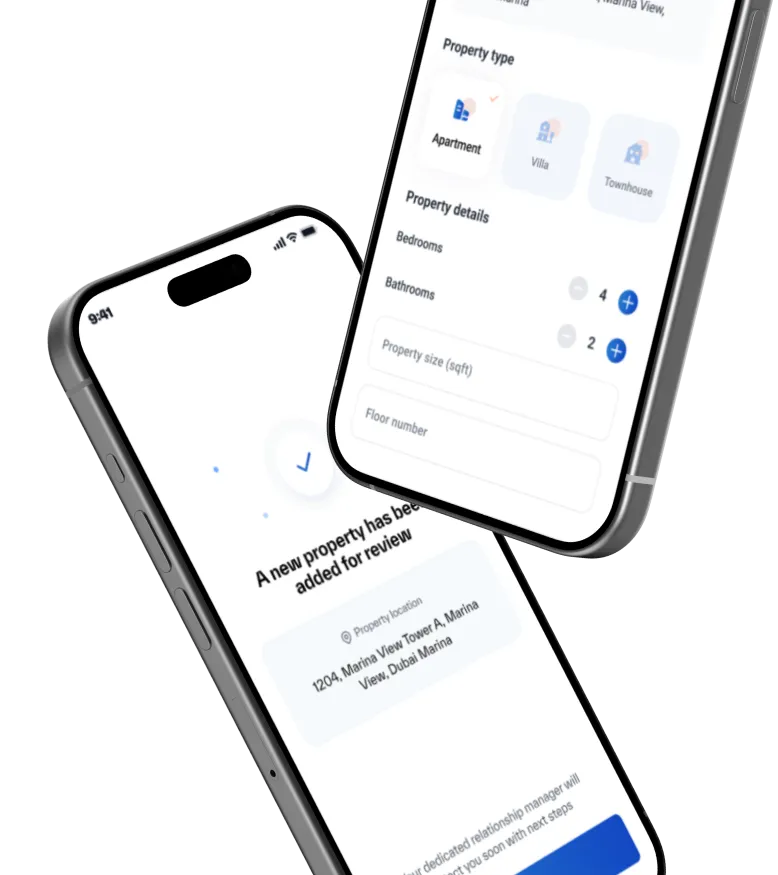
With Keyper's property management platform, owners can:
- Track rental income and service charge payments in real time
- Get alerts on upcoming renewals and payment dues
- Manage everything digitally — without spreadsheets or chasing management offices
- Access building-level data to benchmark your property's performance
And for tenants moving into your property, Keyper's Rent Now, Pay Monthly solution means landlords receive their rent as agreed, while tenants pay in fixed monthly instalments, reducing void periods and making your property accessible to a wider pool of qualified renters.
FAQs
1. Is a studio or a 1-bedroom better for rental income in Dubai?
Studios offer higher gross yields (on average 7.2% vs 6.1% for 1-beds), but 1-bedrooms tend to deliver stronger net returns once you factor in lower vacancy rates and reduced turnover costs. For most investors, 1-beds offer a better risk-adjusted return.
2. How do I calculate the net yield on a Dubai property?
Start with annual rent, subtract service charges, factor in any vacancy months, and divide by the purchase price. The DLD Smart Rental Index and platforms like Bayut or Property Finder can help you validate both rental and purchase price data for 2026.
3. Are 2-bedroom apartments a good investment in Dubai?
Yes — particularly for long-term investors. They generate the highest absolute rental income and attract stable, longer-term tenants, especially families. The tradeoff is a higher entry cost (average AED 2.7M) and a slightly lower gross yield compared to smaller units.
Studios, 1-beds, and 2-beds each have a compelling case, but the right unit is the one that matches your budget, management capacity, and investment horizon. Whatever unit type you choose, net yield is what matters. Factor in service charges, vacancy risk, and leasing costs before drawing conclusions from headline figures.
Once you've invested, the quality of your property management will determine how much of that yield you actually keep.
This article is for general informational purposes only and does not constitute financial or investment advice. For specific investment decisions, consult a qualified real estate advisor and verify current data via the DLD Smart Rental Index.



.jpg)
.jpg)