


TL;DR — Your Quick Action Plan to Get Monthly Rent Instalments
- Work out your monthly amount and preferred payment date before approaching your landlord
- Time the conversation at lease renewal — not after a missed payment
- Come with a specific proposal, not just a general question
- Lead with your track record as a reliable, on-time tenant
- If they agree, formalise it with an Ejari-registered addendum
- If negotiation fails, use Keyper RNPM to pay monthly without landlord approval
.jpeg)
Prepare Before You Ask
The strongest position is a prepared one. Before reaching out to your landlord, put together a clear, specific proposal, not a vague request. Landlords respond far better to tenants who've thought upfront.
Know your numbers
Divide your annual rent by 12 and write down the monthly amount, your preferred payment date each month, and your preferred method — bank transfer works best.
Have a brief reason ready
You don't need to overshare. Something like "monthly rent payments align better with my salary cycle" is clear and credible. Honesty builds trust.
Lean on your track record
If you've always paid on time, say so. A reliable tenant is genuinely valuable to a landlord, and reminding them of that is your strongest card to play.
What to Actually Say to Your Landlord When Requesting Monthly Rent Instalments
Start with a short phone call or in-person conversation to open the door, then follow up in writing. Keep the message polite, direct, and easy for them to say yes to.
Example message to your landlord
“Hi [name], I wanted to discuss our upcoming lease renewal. I've really valued our tenancy here and want to continue. I'd like to propose switching to 12 monthly payments of AED [amount] via bank transfer, which would make it easier for me to stay consistent throughout the year. Would you be open to discussing this?”
Once your landlord agrees in principle, ask to make it official. In the UAE, this means an Ejari-registered lease addendum — it protects both of you and ensures the new payment terms are legally recognised.
.jpeg)
You Can Always Opt for Keyper’s Rent Now, Pay Monthly Option
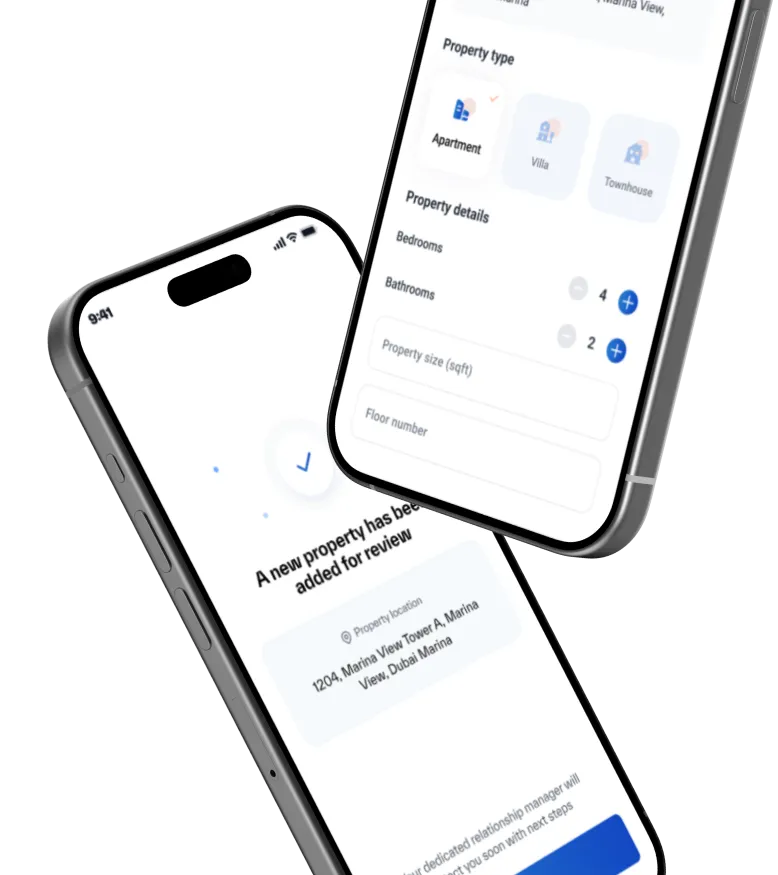
With Keyper's Rent Now, Pay Monthly (RNPM), you can pay your rent in 12 monthly instalments — even if your landlord only accepts a full annual payment upfront.
Keyper pays your landlord the full annual amount, and you repay Keyper monthly. No negotiation with your landlord required.
- Apply digitally — just your ID and income proof
- Keyper settles your full annual rent with your landlord per your Ejari contract
- You repay Keyper in 12 equal monthly instalments via card or bank transfer
- Earn cashback and bank rewards on every monthly payment
RNPM works for new leases and existing ones across most Dubai properties. It doesn't count as a loan or affect your credit — Keyper acts as an intermediary, not a lender. Your security deposit can also be spread across 3 months.
.jpeg)
FAQs
1. Does my landlord have to accept monthly payments?
No — under UAE tenancy law, landlords are not obligated to accept monthly instalments. Among the rental payment methods, direct debit allows you to pay rent monthly. Also, apps like Keyper allow you to pay your rent easily via credit card, while the landlord receives the payment upfront.
Will switching to monthly payments affect my tenancy contract?
Only if you and your landlord agree to change it directly. Any new payment arrangement should be documented in an Ejari-registered lease addendum when renting in Dubai— this makes the updated terms official and protects both parties.
If you use Keyper RNPM instead, your original contract stays exactly as it is: Keyper pays your landlord in full per the existing tenancy contract terms, and your monthly repayments are between you and Keyper.
Asking your landlord for monthly payments is a reasonable request — and with the right approach, it's one many landlords will say yes to. Come prepared, be direct, and put any agreement in writing. And if the answer is no, you can go for the Keyper rent now, pay monthly option.